
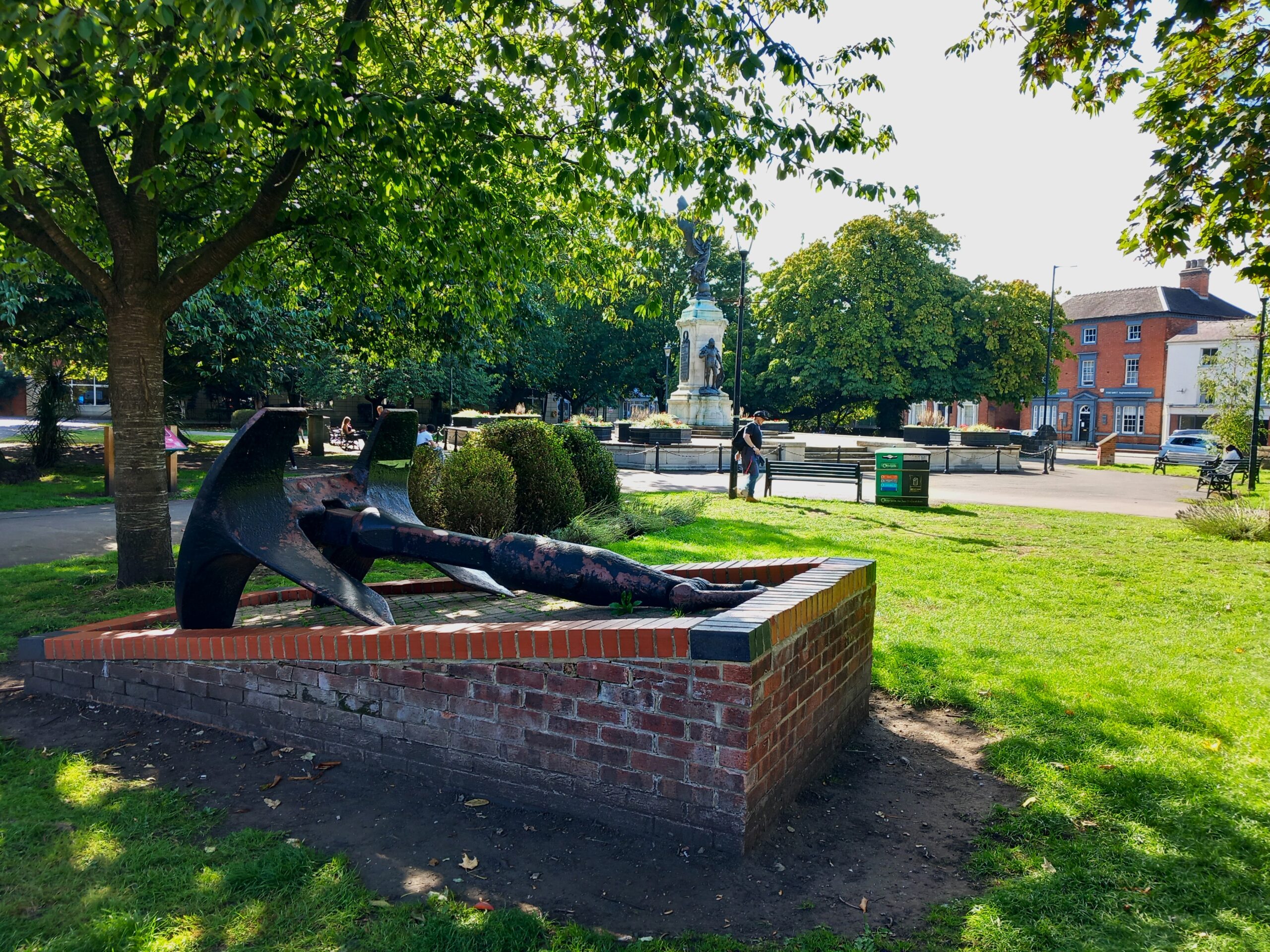
Discover the fascinating story behind Burton upon Trent’s HMS Resolution anchor, a unique piece of Royal Navy heritage linking a landlocked Staffordshire town with Britain’s Cold War submarine fleet.
Look beyond Burton upon Trent’s famous brewing heritage and you’ll find some fascinating stories hiding in plain sight.
One of them can be found in central Burton, close to the town’s war memorial: an imposing naval anchor with a remarkable connection to HMS Resolution, one of the Royal Navy’s Cold War Polaris submarines.
For visitors exploring Burton upon Trent history and East Staffordshire heritage, it is an intriguing reminder that this landlocked Staffordshire town once had a formal relationship with a submarine operating thousands of miles from home.
The HMS Resolution.
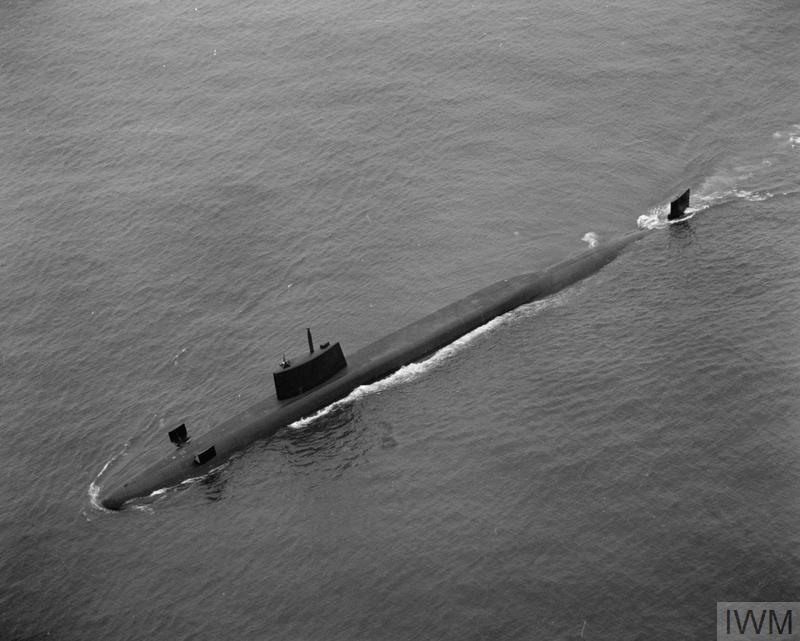
HMS Resolution credit Imperial War Museum
© Crown copyright reproduced under delegated authority from The Keeper of Public Records. Image: IWM (A 35096)
HMS Resolution was the lead boat of Britain’s Resolution-class nuclear-powered ballistic missile submarines.
Commissioned in 1967, she formed part of the UK’s Cold War nuclear deterrent, carrying 16 Polaris ballistic missiles. Her role was highly secretive: while on patrol, Resolution and her sister submarines provided Britain’s Continuous At-Sea Deterrent, maintaining a submarine presence at sea that could remain hidden from potential adversaries.
Life aboard was a world away from everyday life in Burton.
The submarines spent long periods at sea, operating in secrecy and isolation. Two crews, known as the Port and Starboard crews, alternated responsibility for the boat, helping maintain the demanding routine of continuous deterrent patrols.
For the men who served aboard, it meant long periods away from family and home, combined with highly specialised work involving navigation, engineering, communications and maintaining the submarine’s systems around the clock.
Resolution remained part of the Royal Navy’s deterrent force until she was decommissioned in 1994.
A Surprising Burton Connection
The story becomes even more interesting when you discover that HMS Resolution’s connection with a landlocked Burton was not simply symbolic.
Burton-on-Trent was officially affiliated with HMS Resolution.
A House of Commons answer from 1989 lists HMS Resolution among Royal Navy ships with formal links to towns and cities across Britain, including Burton upon Trent. The Government explained that these ship-to-town affiliations were intended to create close relationships between ships and their communities. They could involve charitable work, voluntary fundraising, civic events, visits and, in some cases, the granting of the honorary freedom of the town to the ship’s company.
For towns that could not be reached by sea, such as Burton, visits by members of a ship’s company were an important part of maintaining the relationship. The 1989 parliamentary answer notes that affiliated ships generally visited such towns approximately once every two years.
So the Burton–Resolution connection was much more than having a Royal Navy vessel’s name associated with the town. It was part of a long-standing naval tradition of bringing ships, sailors and communities together.
A Burton-Born Submarine Commander
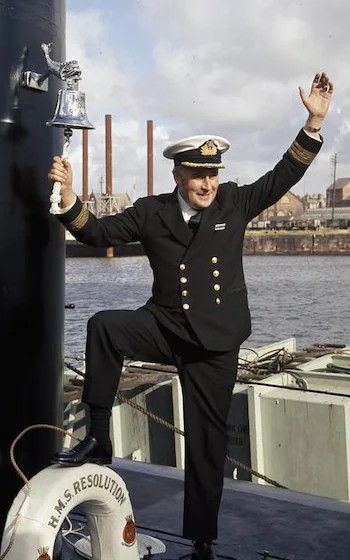
Commander Kenneth David Frewer, credit Imperial War Museum
© Crown copyright reproduced under delegated authority from The Keeper of Public Records. Image: IWM (TR 28635)
There is an extraordinary local detail that makes the connection even stronger.
Commander Kenneth David Frewer, one of HMS Resolution’s early commanding officers, was born in Burton-on-Trent on 8 April 1930 and died 2018.
In 1967, he was appointed the first commanding officer of Resolution’s Starboard crew, while Commander Mike Henry commanded the Port crew. Frewer went on to command Resolution during her early trials and later deterrent patrols.
That gives Burton a particularly personal link with the submarine. The town was not simply an affiliated community on a Royal Navy list, one of the officers entrusted with commanding this new generation of nuclear-powered submarines had actually been born here.
It is a fascinating connection between Burton upon Trent and Cold War history that is easy to overlook.
.
From the Submarine to Burton
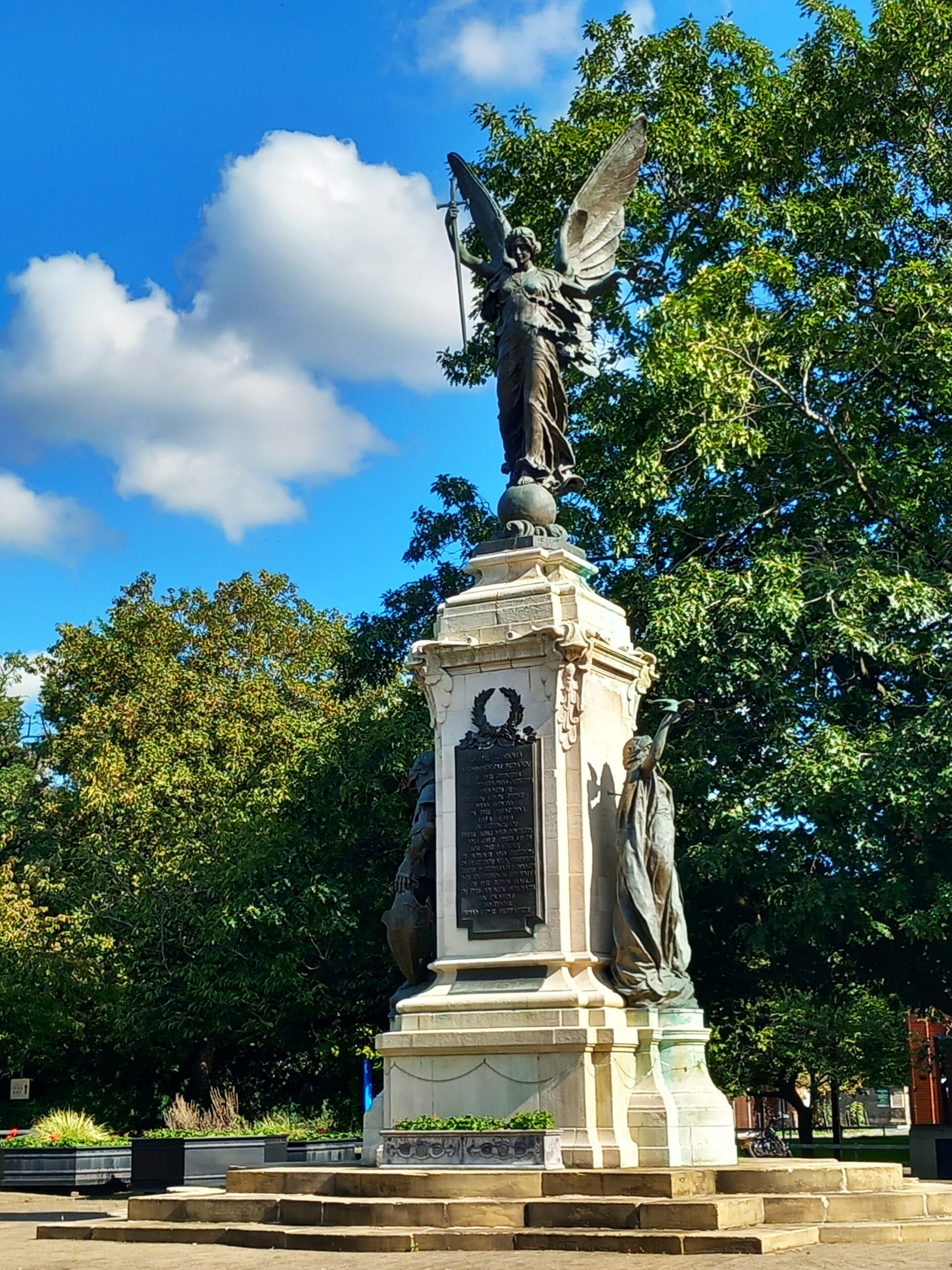
The war memorial commemorates those connected with the town who served and lost their lives in conflict, while the HMS Resolution anchor represents a later chapter in Britain’s military and naval history, the Cold War and the generation of sailors who served during a period of nuclear tension.
Together, they provide a fascinating reminder of the different generations and forms of service represented in Burton’s history.
Eventually, a physical piece of HMS Resolution made its way back to the town.
The anchor now displayed in Burton was presented by members of the submarine’s crew on 19 October 1996, marking the close links between HMS Resolution and the people of Burton upon Trent.
The presentation came after Resolution’s operational career had ended, giving the town a lasting reminder of its association with the submarine and the sailors who served aboard her.
Today, the anchor stands close to Burton’s war memorial, creating an especially evocative setting.
What Was a Royal Navy Ship-to-Town Affiliation?
The story behind the anchor is also a chance to discover an often-overlooked Royal Navy tradition.
Ship-to-town affiliations were formal relationships between Royal Navy ships and communities around Britain.
They helped connect serving sailors with people on shore through civic visits, charitable activities, fundraising and ceremonial occasions. For sailors, an affiliated town could provide a sense of community away from their naval base; for towns, the relationship offered a direct connection with the Royal Navy and the people serving in it.
The relationships could become remarkably personal.
Members of a ship’s company might visit their affiliated town, attend civic events, support local causes or take part in ceremonial occasions. In some cases, towns granted ships the Freedom of the town, an important civic honour.
The Royal Navy described these affiliations as relationships that were greatly valued by both sides.
For Burton, the affiliation with HMS Resolution created a remarkable connection with one of the most technologically advanced and secretive vessels in Britain’s Cold War fleet.
And unlike a naval port, Burton was a town deep in the heart of Staffordshire. The relationship therefore brought a little piece of the Royal Navy to the community rather than the other way around.
Look Out For the Anchor
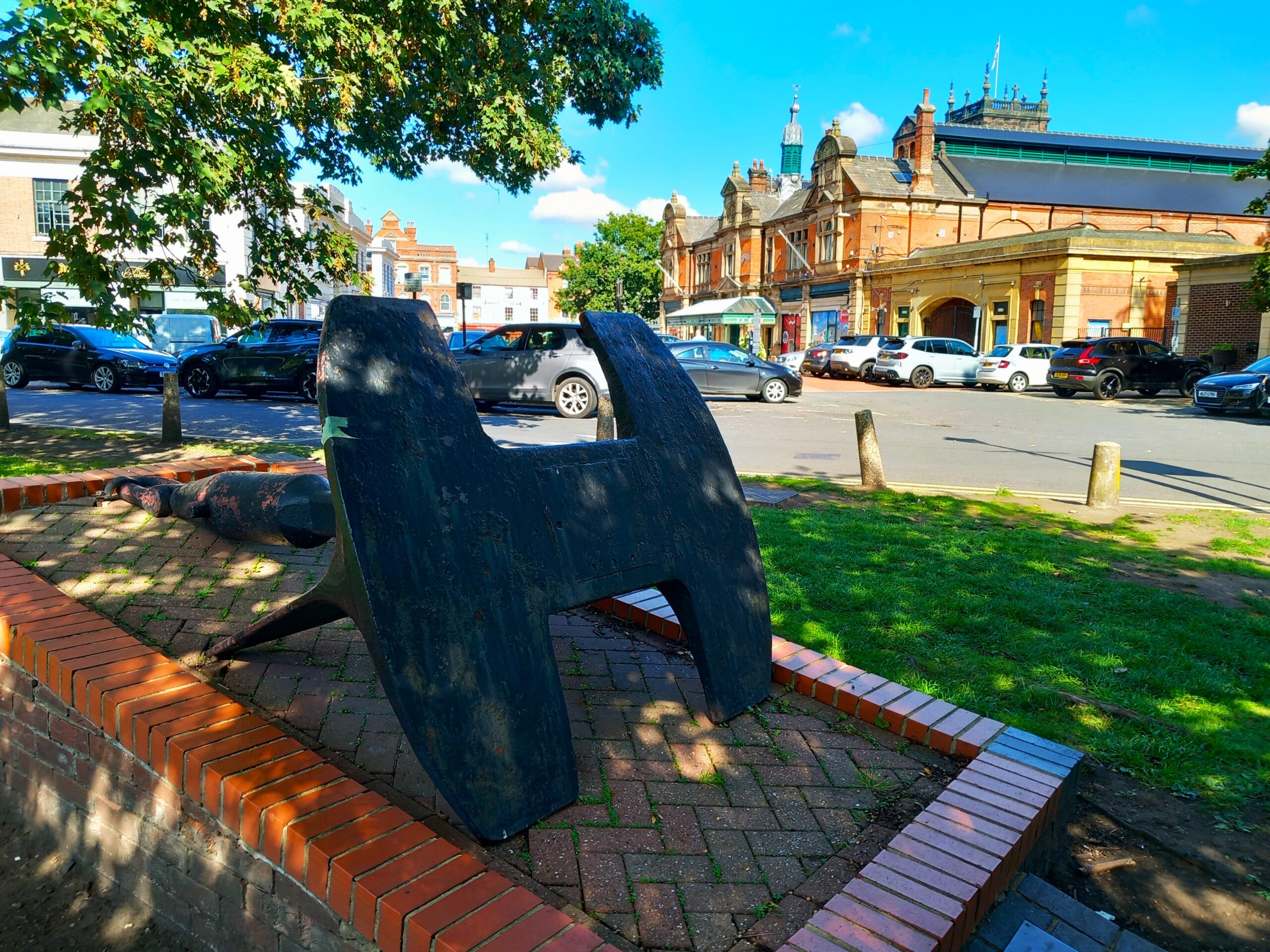
Today, the HMS Resolution anchor is an easy-to-miss piece of Burton’s heritage, but it rewards anyone who takes the time to stop and discover its story.
Located close to the Burton war memorial, it offers visitors an opportunity to explore a lesser-known side of the town’s past and to discover the links between Burton, the Royal Navy and Britain’s Cold War history.
The anchor may be silent and stationary today, but its story stretches from the streets of Burton to life aboard a Polaris submarine at sea.
It connects a Staffordshire community with the sailors who served aboard HMS Resolution, a Burton-born commander who helped lead the submarine in its early years, and a Royal Navy tradition that brought ships and towns together.
So, next time you’re exploring Burton upon Trent, take a moment to seek out the HMS Resolution anchor.
You might be surprised by just how far the story of this piece of naval heritage travels.
Discover more of Burton upon Trent
From its world-famous brewing heritage and historic town centre to its war memorials, public art and fascinating connections with Britain’s military history, Burton upon Trent has plenty of stories waiting to be discovered.
The HMS Resolution anchor is one of them, a small but significant reminder of the people, places and partnerships that have helped shape the history of East Staffordshire.
The MHS Resolution wasn’t the only connection with the Royal Navy. See here for the story of HMS Savage
Download Our Free Trail App Today!
Don’t forget to take your guide with you! Download the Discover East Staffordshire Trails App, available on iPhone and Android, to explore walking routes, discover public art, uncover hidden gems and find even more amazing places to visit across East Staffordshire.
Download the Discover East Staffordshire Trails App today, and start your next adventure!