

Staffordshire’s Castles
Staffordshire is home to a remarkable collection of castles that span nearly a thousand years of history. From imposing Norman fortresses and medieval strongholds to vanished castles known only through archaeology, and even ornamental follies built purely for their beauty, the county’s castles tell the story of changing warfare, politics, architecture and fashion. Whether you’re exploring well-preserved landmarks or seeking out forgotten sites, Staffordshire offers a fascinating journey through England’s past.
Principal Castles
Staffordshire’s principal castles are the county’s best-preserved and historically significant fortifications. These include Stafford Castle, Tamworth Castle, Tutbury Castle, Caverswall Castle, Chartley Castle, Alton Castle, Eccleshall Castle, and Stourton Castle. Together they represent almost every stage of medieval castle development, from Norman motte-and-bailey fortresses to later stone castles, fortified bishop’s residences and grand noble strongholds.
Many played important roles in national events, including the English Civil War and the imprisonment of Mary, Queen of Scots, while others served as strategic defensive positions controlling trade routes, river crossings and political boundaries. Today, some have been carefully preserved as museums or heritage attractions, others survive as atmospheric ruins, and a few remain in private ownership. Collectively, they form the backbone of Staffordshire’s rich castle heritage and provide visitors with some of the county’s most impressive historic landmarks.
As East Staffordshire’s most iconic medieval landmark, Tutbury Castle stands at the heart of the area’s rich heritage. While the castle itself is explored in more detail later in this guide, Staffordshire is home to a remarkable collection of castles and castle ruins, from well-preserved Norman fortresses to atmospheric medieval remains and ancient hill forts. Together, they tell the story of conquest, conflict, royal intrigue and everyday life across the county, offering visitors countless opportunities to discover Staffordshire’s fascinating past.
Stafford Castle

Stafford Castle, Stafford.
Standing proudly on a hill overlooking the county town, Stafford Castle is one of Staffordshire’s most recognisable historic landmarks. The original castle was founded around 1070 by Robert de Tosny shortly after the Norman Conquest, allowing the Normans to establish control over the surrounding countryside.
Although the medieval castle fell into ruin over the centuries, the impressive keep seen today is largely a Victorian reconstruction built in the early 19th century on the original medieval foundations. This sympathetic restoration gives visitors a striking impression of how the fortress would once have dominated the landscape.
Today, Stafford Castle is surrounded by attractive woodland that offers pleasant walking trails, while the visitor centre provides exhibitions detailing the castle’s history and archaeological discoveries. From the castle grounds, visitors are rewarded with sweeping panoramic views across Stafford and the surrounding countryside.
Tamworth Castle

Tamworth Castle, Tamworth. credit Tamworth Castle
Tamworth Castle is among the finest surviving Norman motte-and-bailey castles in England. Built shortly after the Norman Conquest, it occupies an important strategic position overlooking the River Tame and stands on the site of the ancient Anglo-Saxon capital of the Kingdom of Mercia.
Unlike many medieval castles that survive only as ruins, Tamworth Castle remains remarkably intact. Visitors can explore its towers, chambers and battlements while learning about over 900 years of history through the castle’s engaging museum exhibits.
The castle’s rich history spans from Anglo-Saxon royalty through the Norman period and into the English Civil War, making it one of Staffordshire’s most rewarding historic attractions.
Tutbury Castle
Tutbury Castle, Tutbury. credit Tutbury Castle
Overlooking the River Dove, Tutbury Castle is one of Staffordshire’s most impressive medieval ruins. Founded shortly after the Norman Conquest by Henry de Ferrers, the castle later became an important possession of the Duchy of Lancaster and played a significant role in medieval English politics.
Tutbury Castle has strong royal associations and is particularly famous as one of the places where Mary, Queen of Scots, was held captive during her long imprisonment in England. She stayed at the castle on several occasions, and her presence remains one of its defining historical stories.
Today, visitors can explore the extensive ruins while enjoying magnificent views over the Dove Valley.
Reopening 2026.
Caverswall Castle
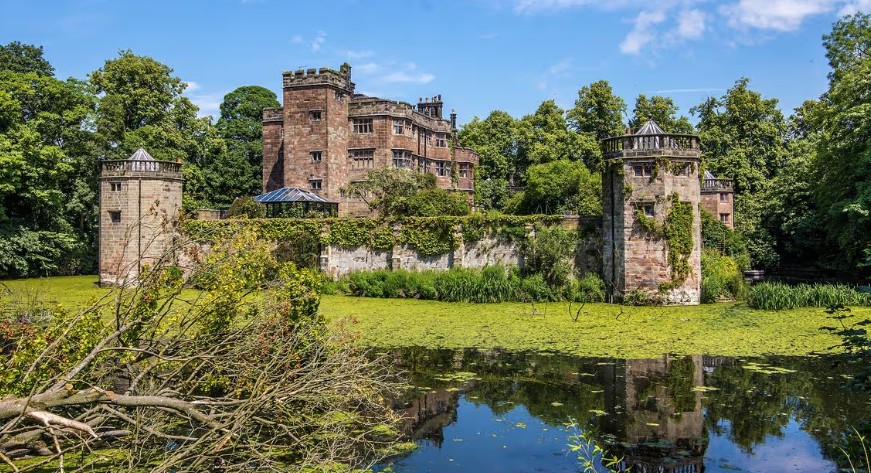
Caverswall Castle, Caverswall. credit The sentinel
Caverswall Castle is a rare example of a surviving moated medieval castle. Originally fortified during the 13th century, it remains one of the county’s best-preserved examples of medieval defensive architecture.
Much of its impressive curtain wall, towers and gatehouse still stand, providing a valuable glimpse into life within a fortified manor during the Middle Ages. The surrounding moat adds to its picturesque appearance and defensive character.
As the castle remains privately owned, public access is limited, although its impressive exterior can still be appreciated from nearby public viewpoints.
Chartley Castle
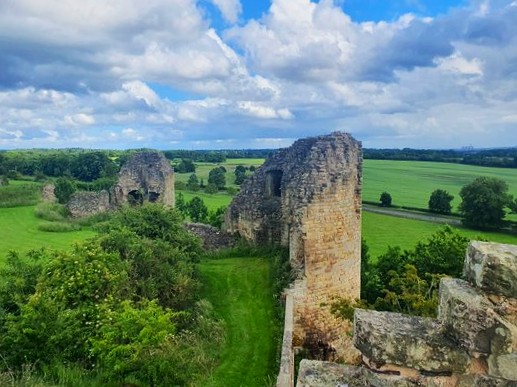
Chartley Castle, Stow by Chartley.
Chartley Castle ranks among Staffordshire’s most atmospheric medieval ruins. Founded around 1100 and substantially enlarged during the 13th century, it was once an important stronghold of the powerful Ferrers family.
The castle is perhaps best remembered for its connection with Mary, Queen of Scots, who was imprisoned here in 1585 while under the custody of Queen Elizabeth I. During her captivity, Chartley became the setting for political intrigue and the events that eventually led to her execution.
Today the ruined walls and towers stand within peaceful countryside, creating an evocative reminder of the castle’s former importance. The site is protected as a Scheduled Ancient Monument due to its exceptional historical significance.
Alton Castle
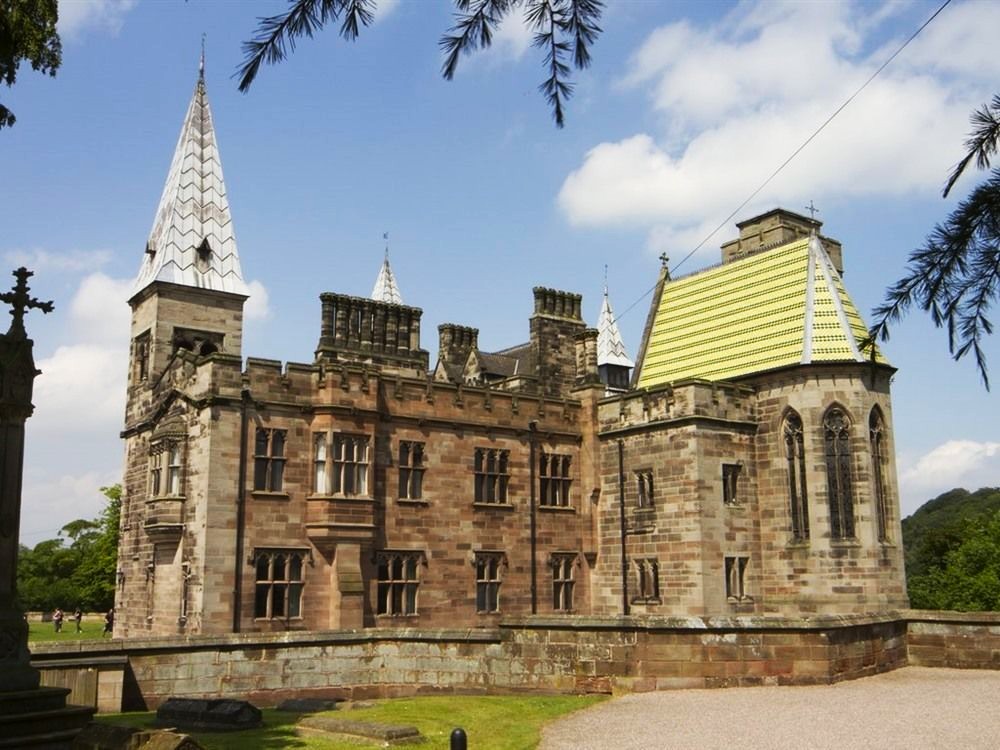
Alton Castle, Alton.
The history of Alton Castle stretches back to the 12th century, when a Norman fortress occupied the dramatic hilltop site overlooking the Churnet Valley.
Little survives of the original medieval castle beyond fragments of masonry hidden beneath and around the magnificent Gothic Revival castle constructed during the 19th century by John Talbot, the 16th Earl of Shrewsbury. Designed by the celebrated architect Augustus Pugin, the Victorian castle transformed the site into one of Staffordshire’s architectural landmarks.
Today the building serves as a Catholic youth retreat and conference centre, continuing its long tradition as an important place within the local community.
Eccleshall Castle
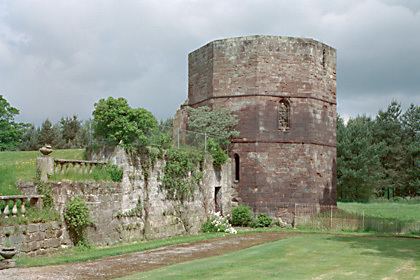
Eccleshall Castle, Eccleshall.
Eccleshall Castle was once the fortified residence of the Bishops of Lichfield and served as an important ecclesiastical stronghold throughout the Middle Ages.
Although much of the medieval castle has disappeared, fragments of its original stonework survive, incorporated into later buildings on the site. These remains offer a small but intriguing glimpse into the castle’s former scale and importance.
Stourton Castle
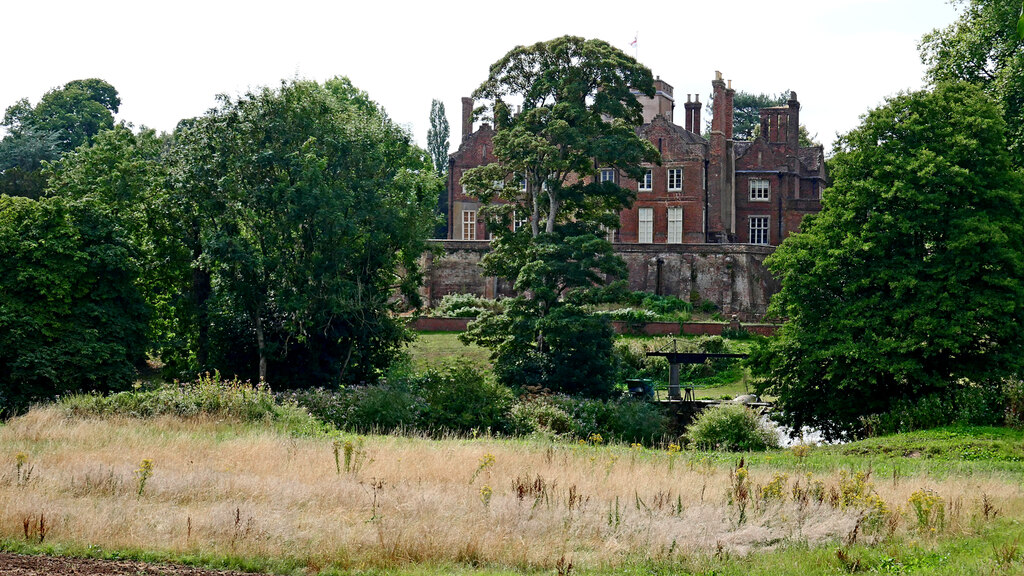
Stourton Castle, Kinver, credit Roger D Kidd
Stourton Castle began life as a fortified medieval manor house rather than a large military fortress. Although little of the original structure survives, parts of its medieval fabric have been incorporated into later agricultural buildings.
While it lacks the dramatic ruins of Staffordshire’s larger castles, Stourton remains an interesting reminder of the smaller fortified residences that once protected local landowners during the medieval period.
Lost Castles
Not every Staffordshire castle has survived the passage of time. Across the county, castles such as Newcastle-under-Lyme Castle, Heighley Castle, Audley Castle, Chesterton Castle, and Lichfield Castle have largely disappeared, leaving behind little more than earthworks, buried archaeology, fragments of masonry or documentary evidence. Although their walls have long since vanished, these sites once played important roles in defending settlements, administering estates and demonstrating the power of their owners.
Many were dismantled after they became obsolete, while others gradually disappeared as their stone was reused in later buildings or simply succumbed to centuries of neglect. Visiting these locations today offers a different kind of experience—one that invites visitors to imagine the castles that once stood there and appreciate the layers of history hidden beneath the modern landscape.
Newcastle under Lyme Castle
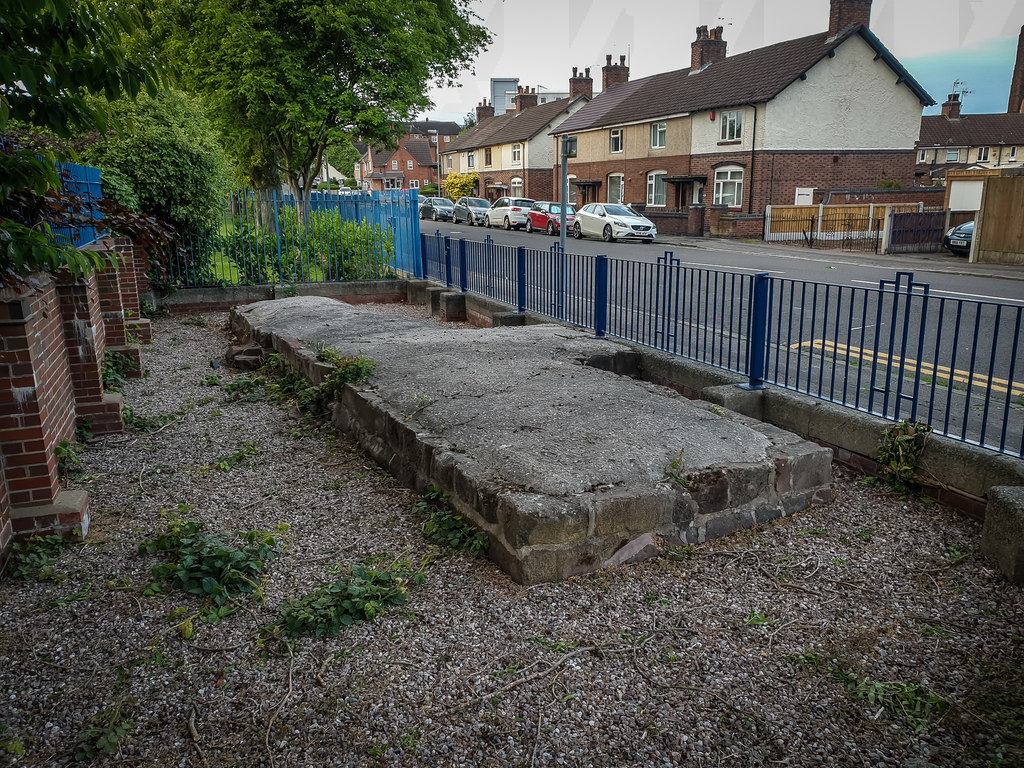
Newcastle under Lyme Castle Remains, credit Brian Deegan
Built during the twelfth century, Newcastle-under-Lyme Castle was a motte-and-bailey fortress that gave the town its name. It was later rebuilt in stone and became an important stronghold throughout the Middle Ages, helping to protect and control the growing settlement below.
The castle gradually fell into decline and was largely dismantled by the seventeenth century, with its stone likely reused in other buildings. Today, little remains above ground, but archaeological discoveries have revealed parts of the castle’s walls, gateways and buildings. Although the fortress has long since disappeared, its legacy remains at the heart of Newcastle-under-Lyme.
Lichfield Castle
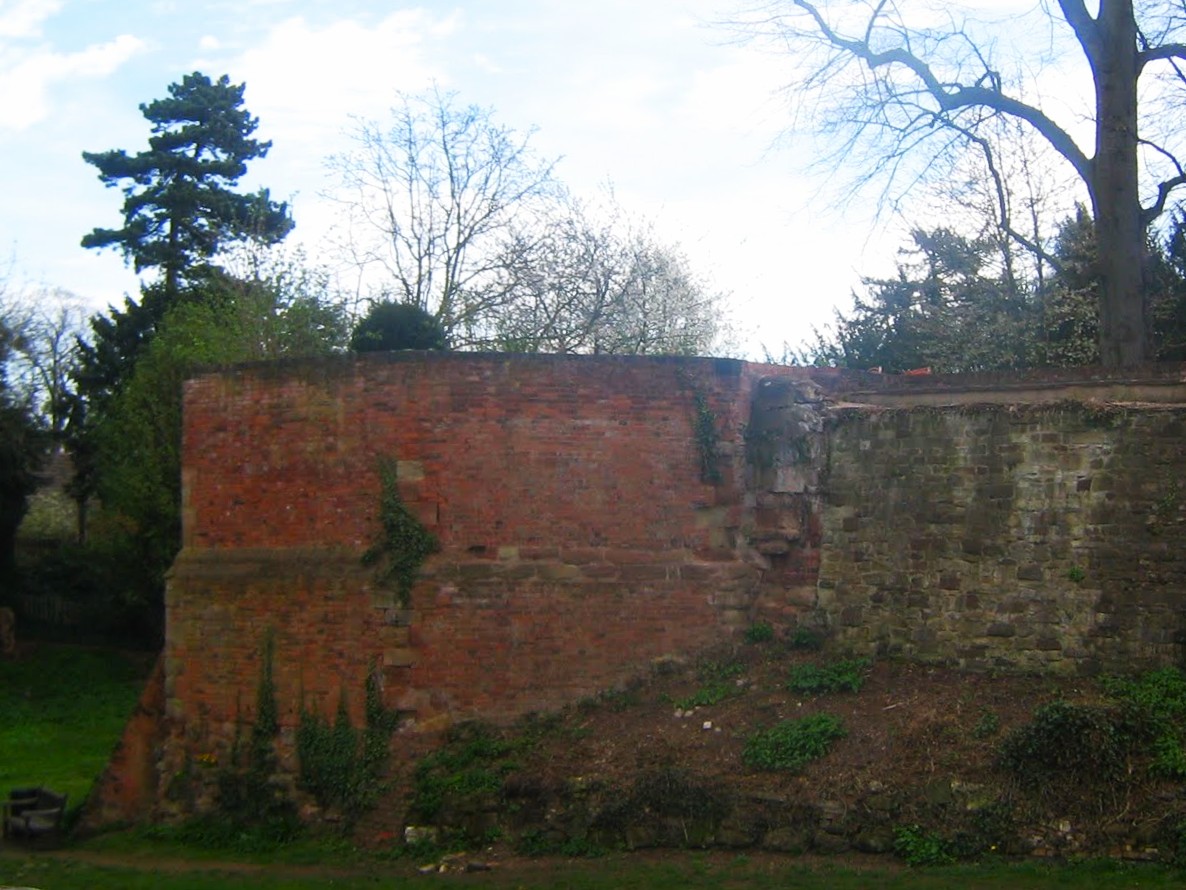
Lichfield Castle remains, credit Lichfield Lore
Lichfield Castle was built during the twelfth century and stood close to the city’s historic centre. Although it was never as large or prominent as some of Staffordshire’s better-known castles, it formed part of the area’s medieval defences and reflected the importance of Lichfield as a centre of religious and political power.
The castle gradually disappeared over the centuries, and little evidence of it survives today. Its exact appearance is uncertain, but historical records and archaeological evidence preserve the memory of a fortress that once formed part of medieval Lichfield’s landscape.
Heighley Castle
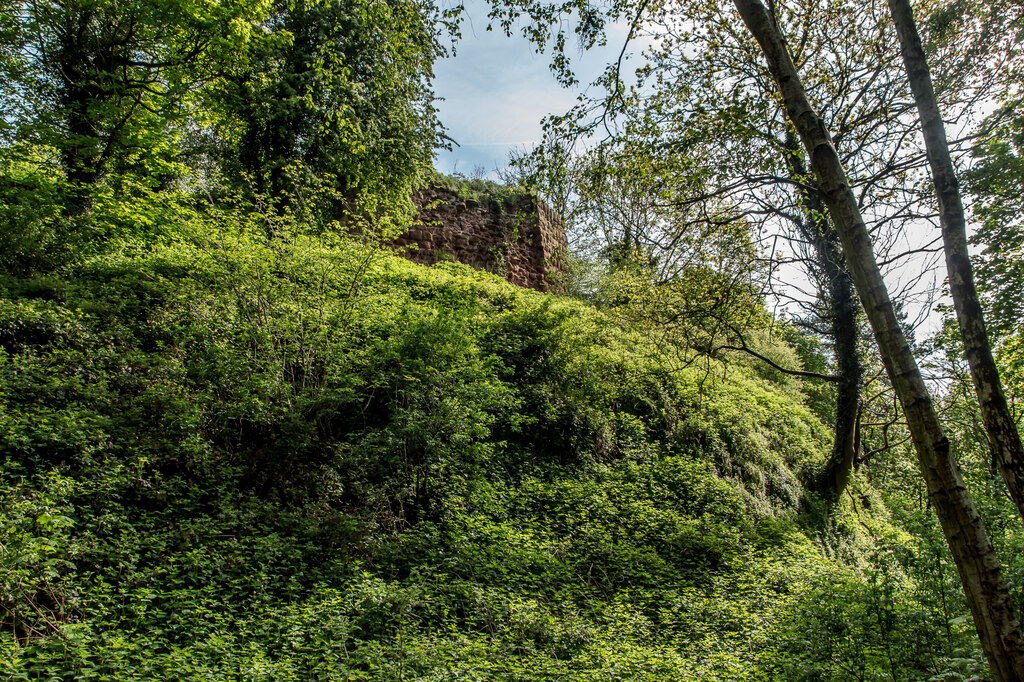
Heighly Castle, Madeley. credit Brain Deegan
Heighley Castle was completed by the Audley family in 1233 and remained one of their ancestral homes for more than 300 years. During the English Civil War, the castle was held in support of King Charles I before being destroyed by Parliamentary forces in the 1640s. Today, only a few fragments of masonry survive, much of which is hidden beneath dense vegetation, offering a faint glimpse of the castle that once stood here.
Audley Castle
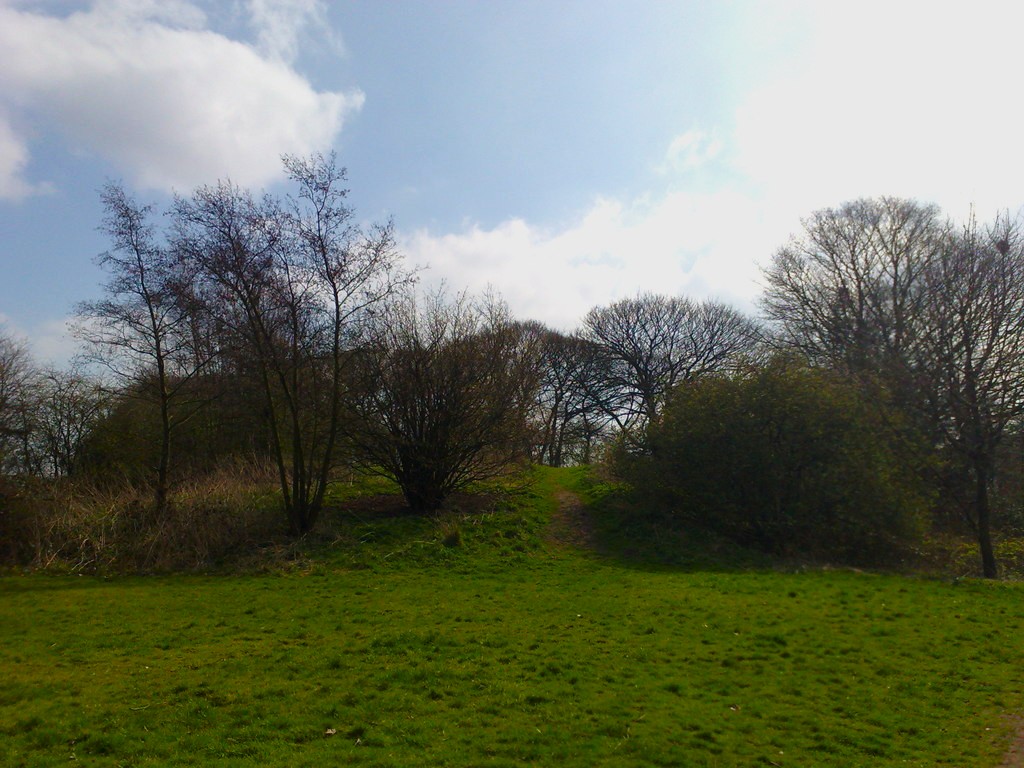
Millennium Green, Former Site of Audley Castle. credit Jonathan Hutchins
Audley Castle was a small medieval fortress believed to have been built during the twelfth century, possibly by the Audley family, who became influential landowners in Staffordshire. Although it was once an important local stronghold, the castle gradually fell into decline and disappeared from the landscape.
Today, no substantial remains are visible, and much of its history is known only through historical records and archaeological evidence. Despite its disappearance, the site remains an intriguing reminder of Staffordshire’s lost medieval castles and the powerful families who once shaped the county’s history.
Folly Castles
Not every castle in Staffordshire was built for defence. During the eighteenth and nineteenth centuries, the romantic revival of medieval architecture inspired wealthy landowners to construct decorative buildings designed to resemble castles. Known as follies, these structures were created to enhance the landscape, provide dramatic viewpoints or simply display the owner’s wealth and taste rather than withstand attack.
Staffordshire’s best-known example is Mow Cop Castle, whose striking silhouette crowns the ridge between Staffordshire and Cheshire, offering spectacular panoramic views across the surrounding countryside. Other sites, such as Castle Ring, while not a true castle but an Iron Age hillfort, are often associated with Staffordshire’s castle heritage because of their commanding positions and impressive earthworks. These sites demonstrate how the fascination with castles has continued long after their military purpose disappeared, becoming enduring symbols of history, romance and the English landscape.
Not every place called a castle is genuinely medieval. Staffordshire is home to two famous sites whose names can be misleading.
Mow Cop Castle
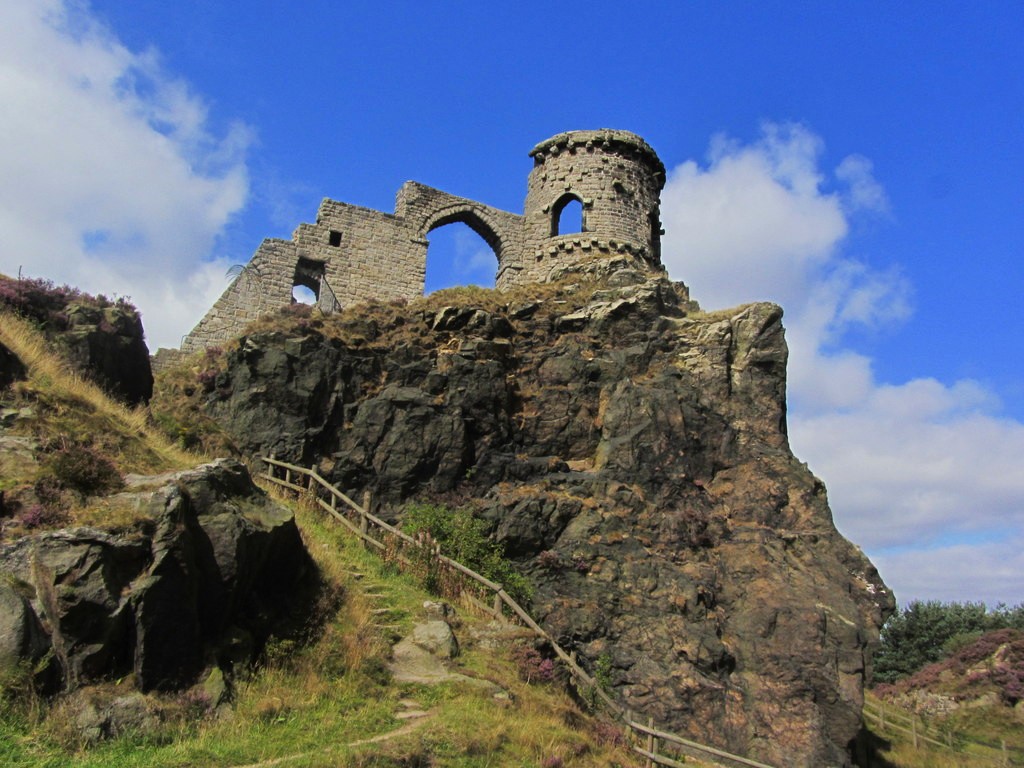
Mow Cop, nr Biddulph. credit Colin Park
Perched dramatically on the Staffordshire-Cheshire border, Mow Cop Castle looks every bit the romantic medieval fortress. In reality, it is an 18th-century folly, deliberately built to resemble the ruins of an ancient castle.
The structure was designed purely for decoration and to enhance the surrounding landscape, reflecting the Georgian fascination with picturesque ruins. Today it offers one of the finest viewpoints in Staffordshire, with breath-taking views stretching across the Cheshire Plain and into the Peak District.
Castle Ring
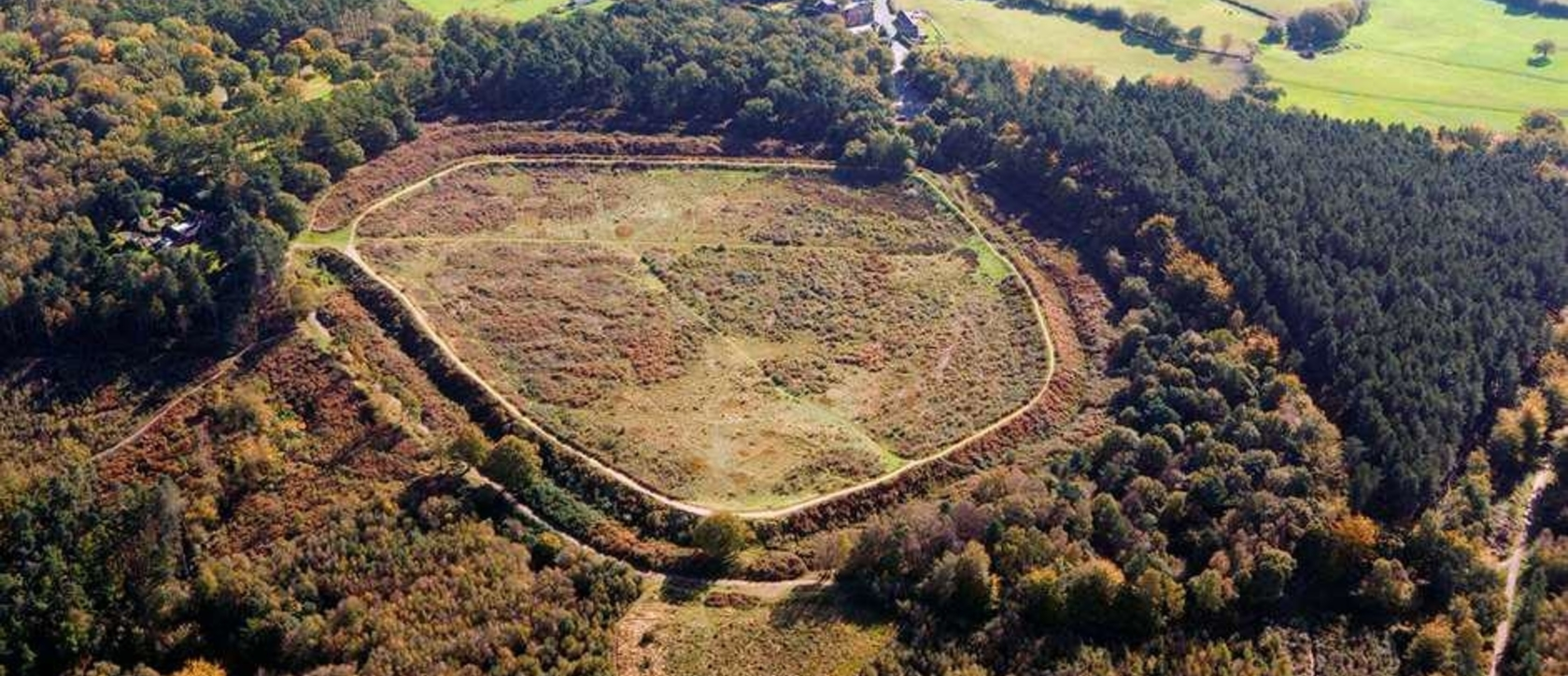
View From Castle Ring, Cannock Wood. credit Cannock Chase SAC Partnership
Despite its imposing name, Castle Ring is not a castle at all. Instead, it is one of the best-preserved Iron Age hill forts in the Midlands, dating to around 500 BC.
Located on Cannock Chase, the site consists of substantial earthwork banks and ditches that once enclosed a thriving prehistoric settlement. Visitors can walk around the ancient ramparts while enjoying panoramic woodland views, making Castle Ring one of Staffordshire’s most fascinating prehistoric landmarks.
Discovering Staffordshire’s Castles
Together, Staffordshire’s castles tell the story of conquest, conflict, religion, royal imprisonment and changing fashions over nearly a millennium. Some remain impressive visitor attractions, while others survive only as peaceful ruins or subtle archaeological traces. Whether exploring the restored keep of Stafford Castle, walking the battlements at Tamworth, or discovering the haunting remains of Tutbury and Chartley, each site offers a unique window into the county’s remarkable past.
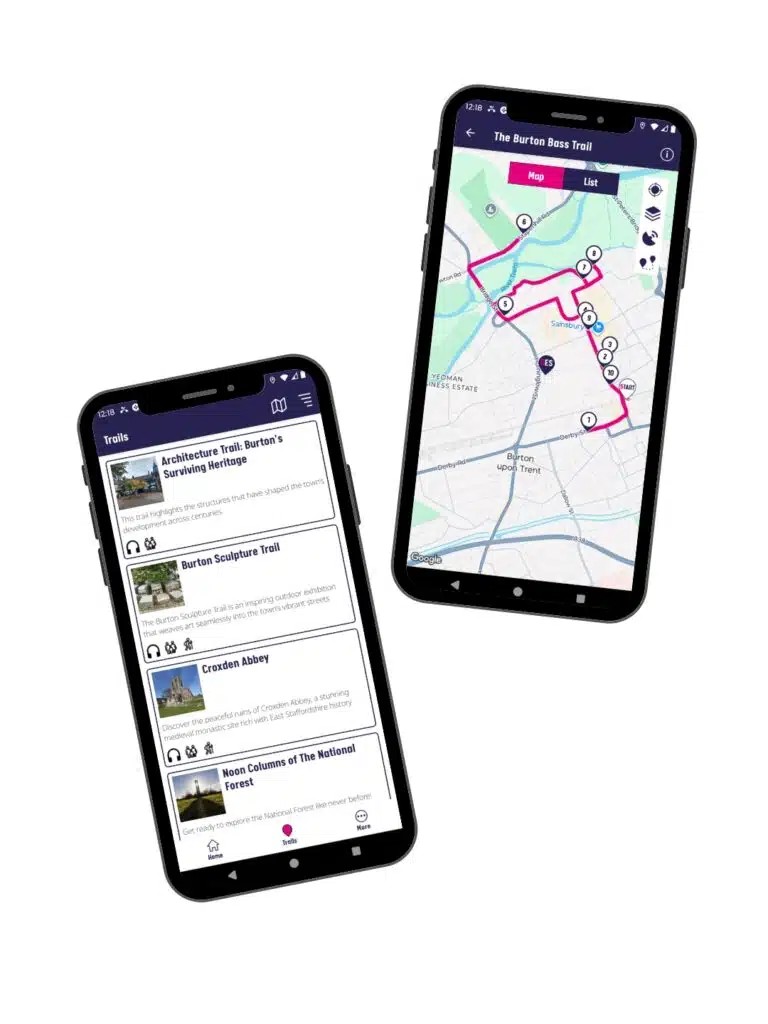
Download Our Free Trail App Today!
Don’t forget to take your guide with you! Download the Discover East Staffordshire Trails App, available on iPhone and Android, to help you find all six Noon Columns, navigate the walking routes and uncover even more hidden gems, trails, artworks and fascinating places to explore across East Staffordshire.
Download Our Free Trail App Today!
Don’t forget to take your guide with you! Download the Discover East Staffordshire Trails App, available on iPhone and Android, to help you navigate the walking routes and uncover even more hidden gems, trails, artworks and fascinating places to explore across East Staffordshire.