
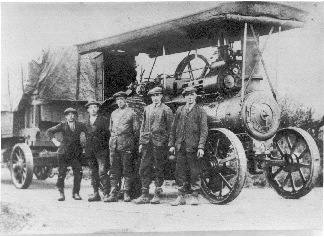
There are few things quite like the sight and sound of a traction engine coming to life. The hiss of steam, the rhythmic chuff of the exhaust, the gentle clank of moving machinery and the unmistakable smell of hot oil and coal combine to transport you straight back to the great age of steam.
Here in East Staffordshire, that living connection with Britain’s industrial and agricultural past can be found at Klondyke Mill in Draycott in the Clay, home of the North Staffordshire & Cheshire Traction Engine Club.
Tucked alongside the A515, just north of the village, Klondyke Mill is a fascinating centre for the preservation of vintage machinery and a much-loved meeting place for people who share a passion for steam, engineering, historic vehicles and all things vintage.
A Club Built on a Passion for Preservation
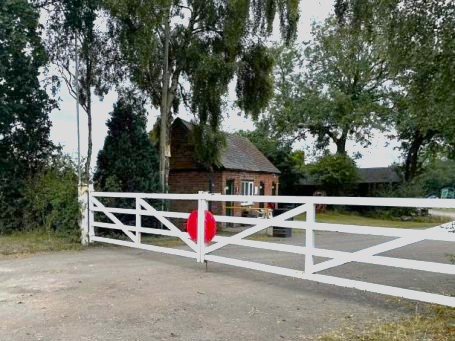
The North Staffordshire & Cheshire Traction Engine Club has been preserving and celebrating vintage machinery for generations. The club’s philosophy is refreshingly straightforward: you don’t have to own a traction engine, tractor or classic vehicle to get involved. All that is required is an enthusiasm for the machinery and heritage of days gone by.
That welcoming approach is important because the world of steam is about much more than old machinery. It is about the people who maintain it, restore it, operate it and pass the knowledge on to the next generation.
And there is plenty to discover.
The club’s site provides members with a clubroom, kitchen and workshop facilities. The workshop is particularly important because preservation doesn’t simply mean putting an old machine under cover and looking at it. Historic engines need care, maintenance, engineering knowledge and, often, painstaking restoration work.
The Age of the Traction Engine
To understand why places such as Klondyke matter, it helps to remember just how revolutionary the traction engine once was.
During the nineteenth and early twentieth centuries, steam power transformed agriculture, construction, transport and industry. Before tractors became commonplace, traction engines provided mobile mechanical power that could be taken wherever it was needed.
These enormous machines could haul heavy loads along roads and drive machinery such as threshing equipment and saw benches. In agriculture, steam power helped mechanise work that had previously depended heavily on horses and human labour.
Unlike a stationary steam engine, a traction engine was designed to move under its own power. Its large iron wheels, substantial boiler and powerful engine made it possible to take mechanical power out onto the road and into the countryside.
That makes today’s road runs and steam rallies particularly appropriate: these aren’t simply static exhibits. They are historic machines doing what they were designed to do – moving, working and making their presence felt.
A Remarkable Collection of Working Machinery
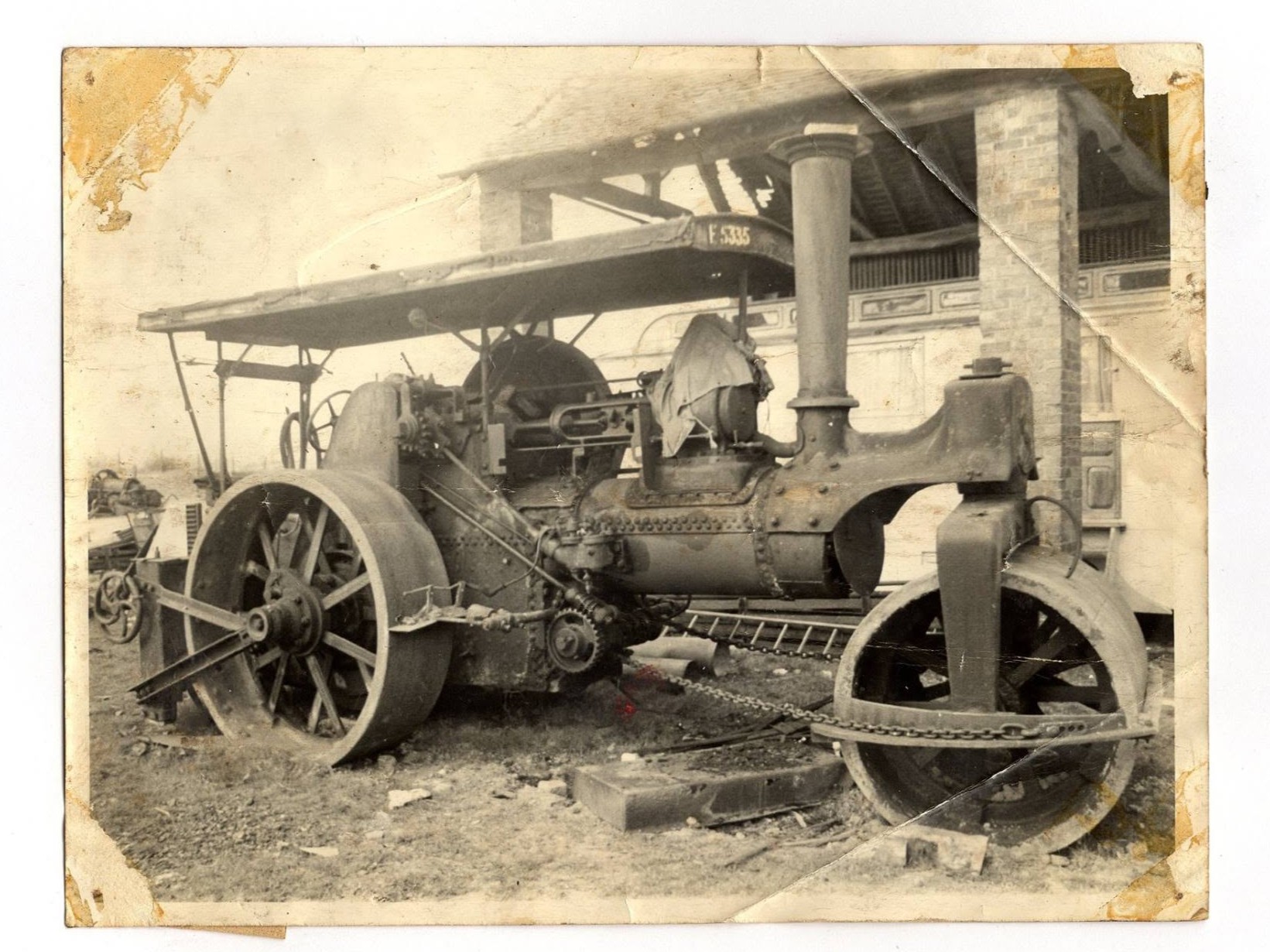
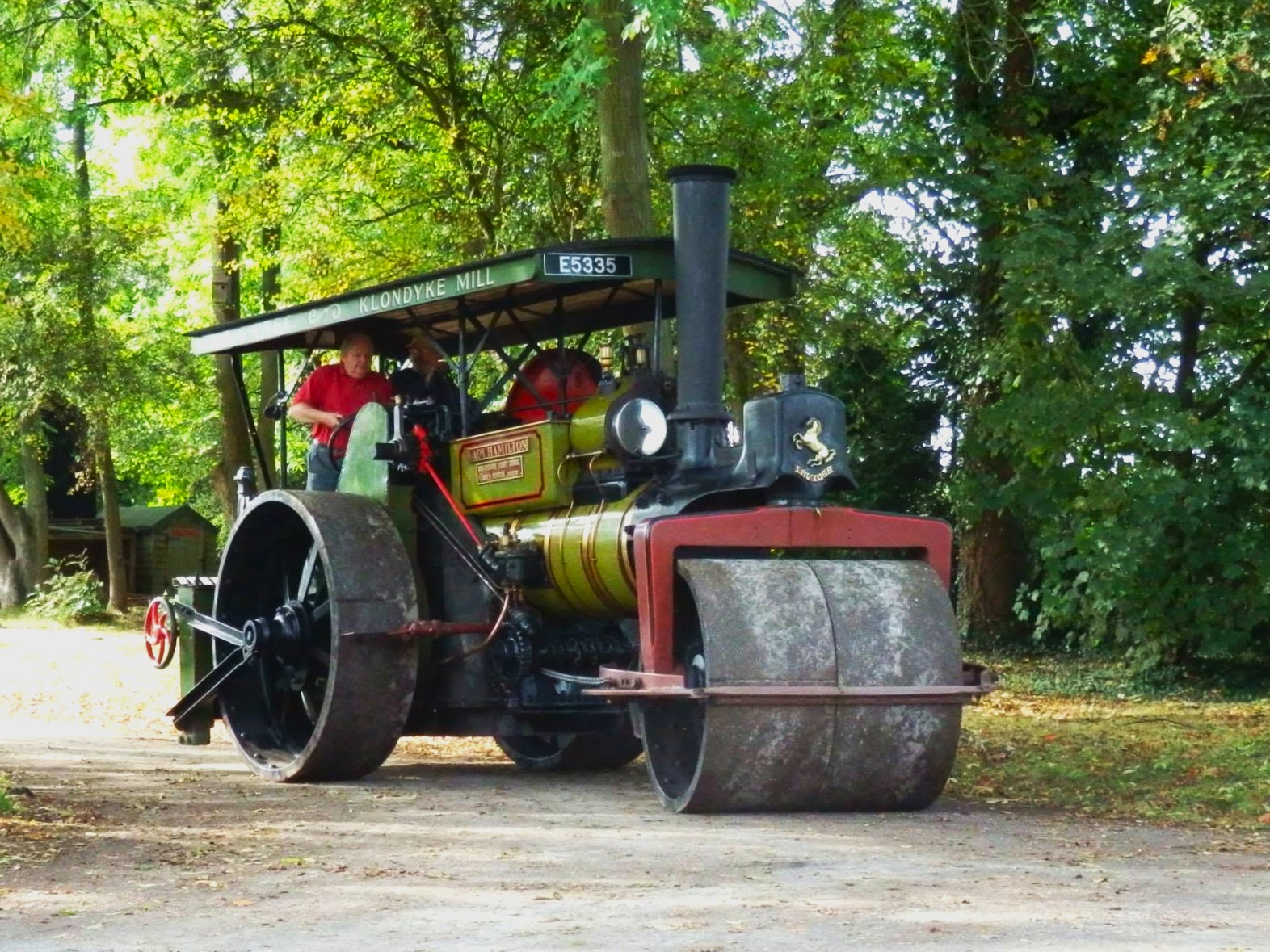
Photo credit Steve Andrews
The club itself owns several important pieces of historic machinery.
Among them is an Aveling & Porter steam roller dating from 1914, originally associated with Staffordshire County Council. The machine is works number 8316 and carries the registration E5335, with the evocative name Lady Hamilton.
The club also owns a Burrell ‘Devonshire’ type traction engine, works number 2706, named Admiral Togo. This machine has undergone restoration by club members using the workshop facilities at Klondyke – a perfect example of how the site combines preservation with practical engineering skills.
There is also a Crossley 28 hp single-cylinder diesel engine, while another steam roller, a Greens of Leeds machine, is on loan to the club from Staffordshire County Council. An Aveling & Barford diesel
road roller, on loan from South Derbyshire County Council, has also been restored by club members and returned to working order.
For enthusiasts, these aren’t simply names and numbers in a catalogue. They represent the engineering story of an era when Britain’s roads, farms and industries were powered by huge machines of iron and steel.
Klondyke’s Workshop | Keeping History Working
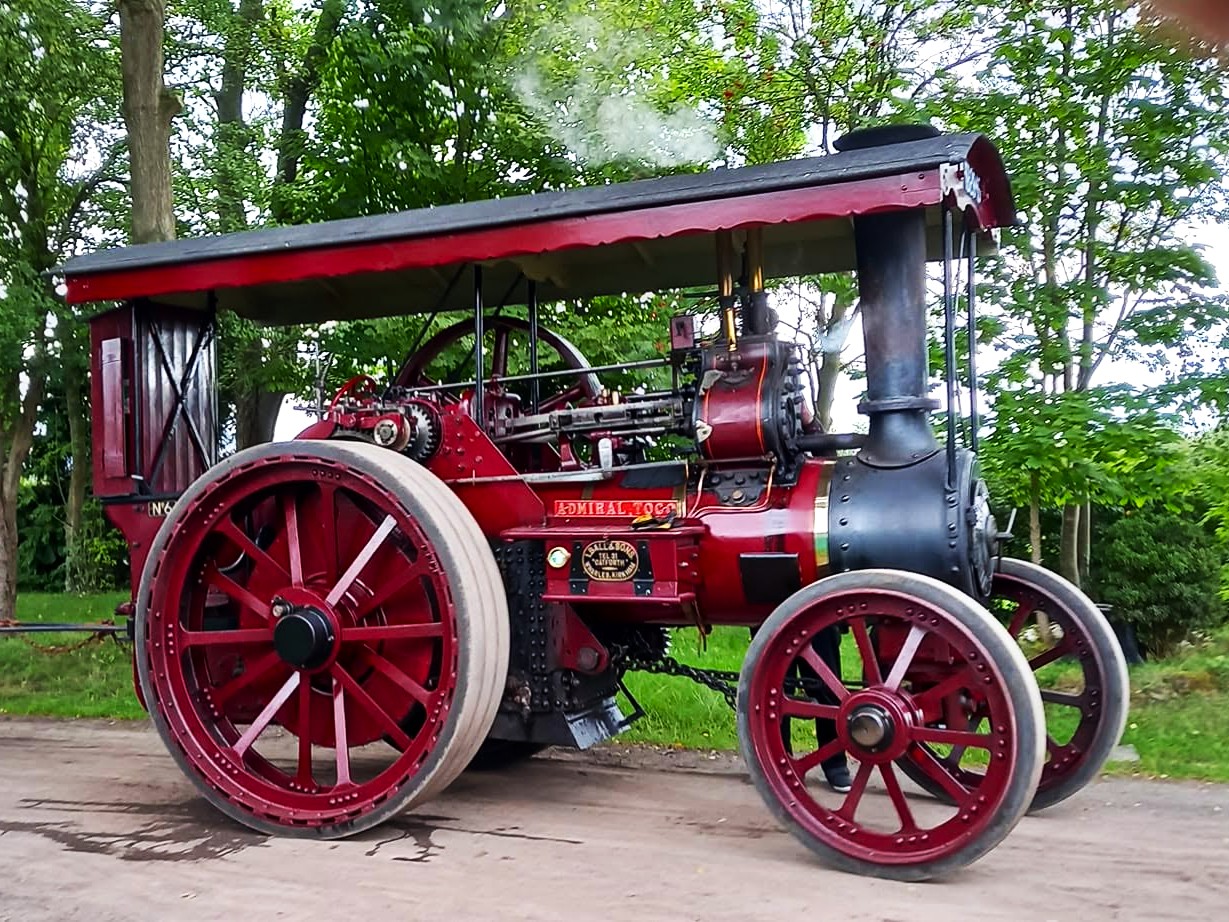
Photo credit Elizabeth Greenwood
Perhaps one of the most fascinating aspects of Klondyke Mill is what happens behind the scenes.
Restoring historic machinery requires considerably more than a coat of paint. Steam engines and vintage machinery are complicated mechanical systems, and keeping them operational demands practical knowledge of boilers, valves, bearings, lubrication, gearing, steering and a host of other components.
The club’s workshop provides the space for members to carry out this work, including major restoration projects. The restoration of Admiral Togo, for example, demonstrates the importance of having somewhere that historic machinery can actually be worked on.
This hands-on approach is a vital part of heritage preservation. Every restored engine provides an opportunity to retain skills and knowledge that might otherwise disappear.
Steam Parties: When Klondyke Comes Alive
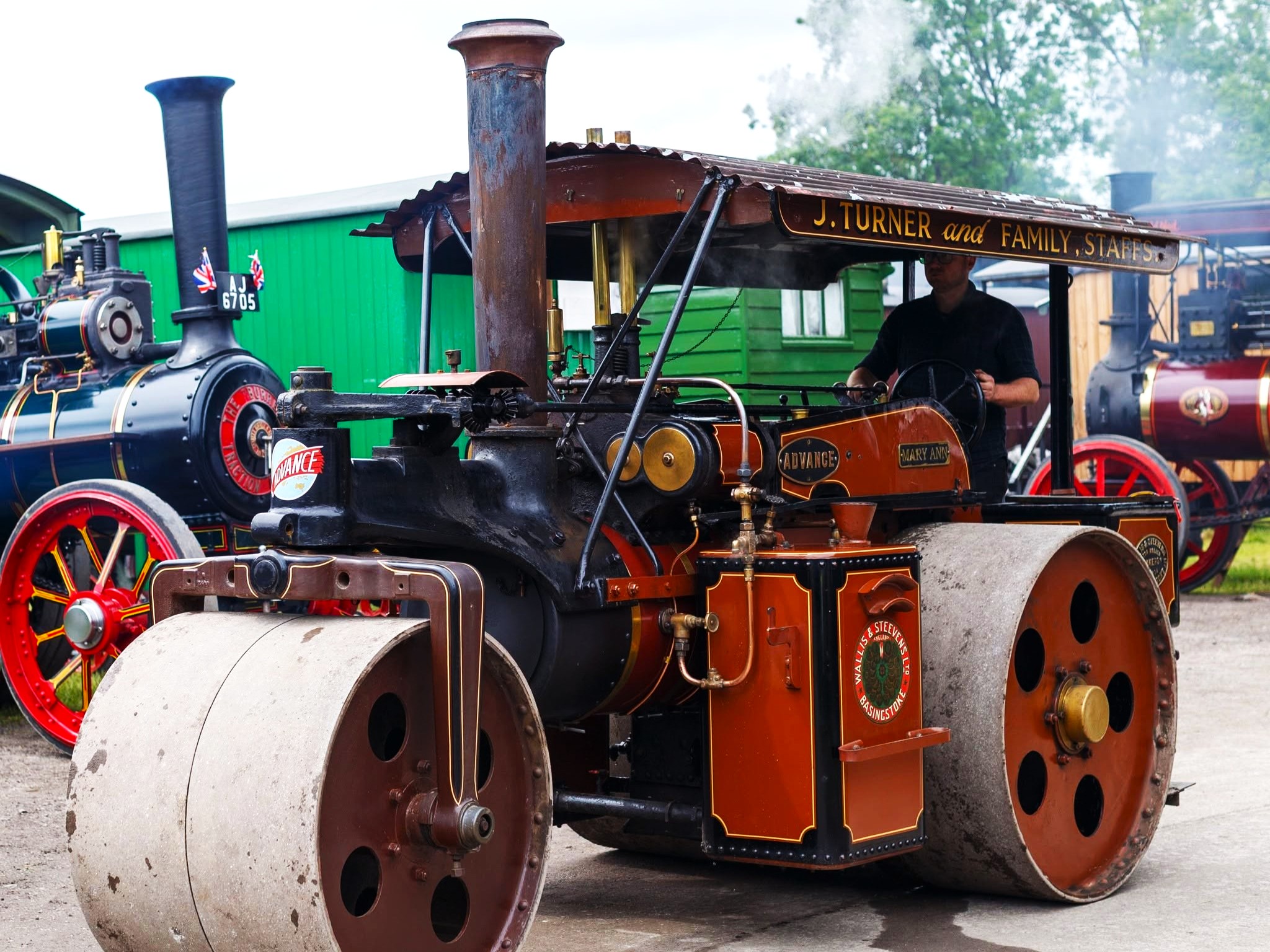
Photo credit Adrian Victtory-Daly
For visitors, one of the best ways to experience Klondyke is during one of the club’s public events.
The club’s June and October Steam Parties bring the preservation centre to life with full-size and miniature steam engines, tractors, stationary engines, classic vehicles and other exhibits. The October event is described as a traditional steam rally, with the workshop also open to visitors.
There is plenty for families as well as serious enthusiasts. Hot and cold refreshments are available from the club’s on-site kitchen, while displays, stalls and historic machinery create the atmosphere of a traditional country steam gathering.
And for anyone who has never experienced a traction engine in steam, it is difficult to beat the first sight of one moving under its own power.
More Than Just Steam
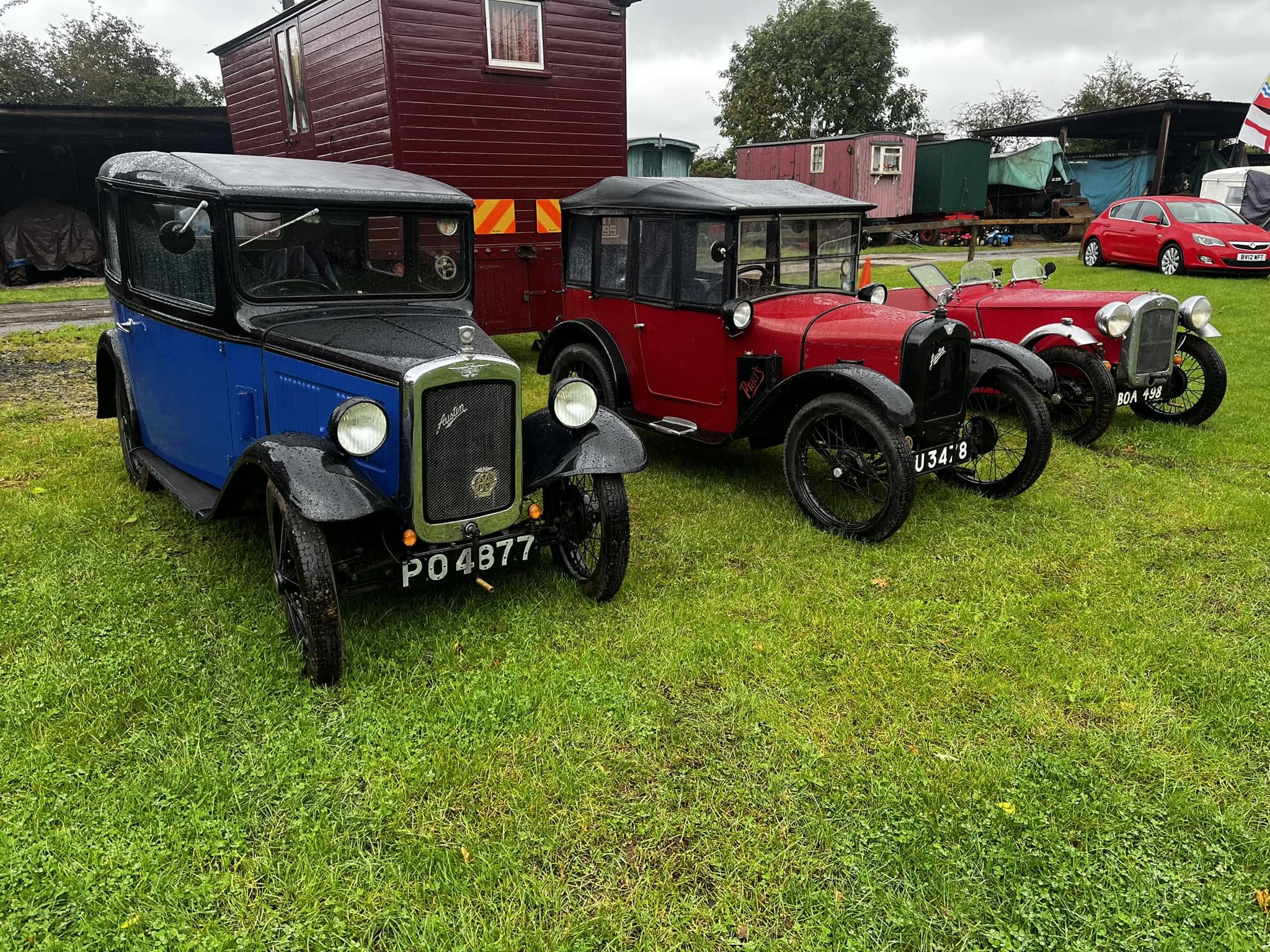
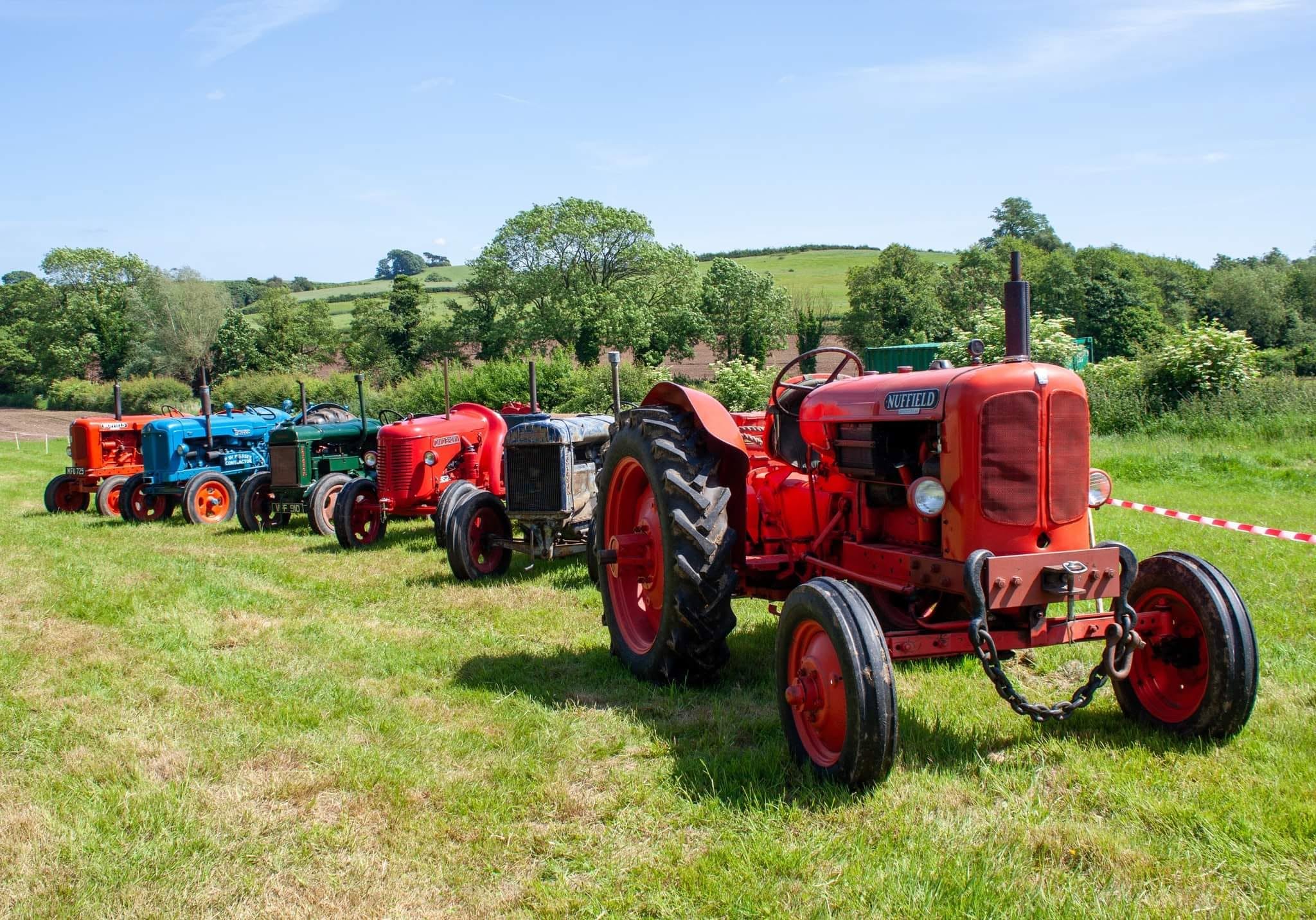
Photo credit Marie O’Bolye-Duggan
Although steam engines are at the heart of Klondyke, the club’s interests are much broader.
Vintage tractors, stationary engines, classic cars, commercial vehicles and other historic machinery all form part of the club’s world. The site has also hosted a variety of heritage events, meaning that a visit can offer a fascinating snapshot of changing technology across several generations.
This broad interest is one of the things that makes the club particularly appealing. You might arrive to see a magnificent traction engine and find yourself just as fascinated by a vintage tractor, a road roller or a beautifully preserved stationary engine.
A Bonfire With a Difference
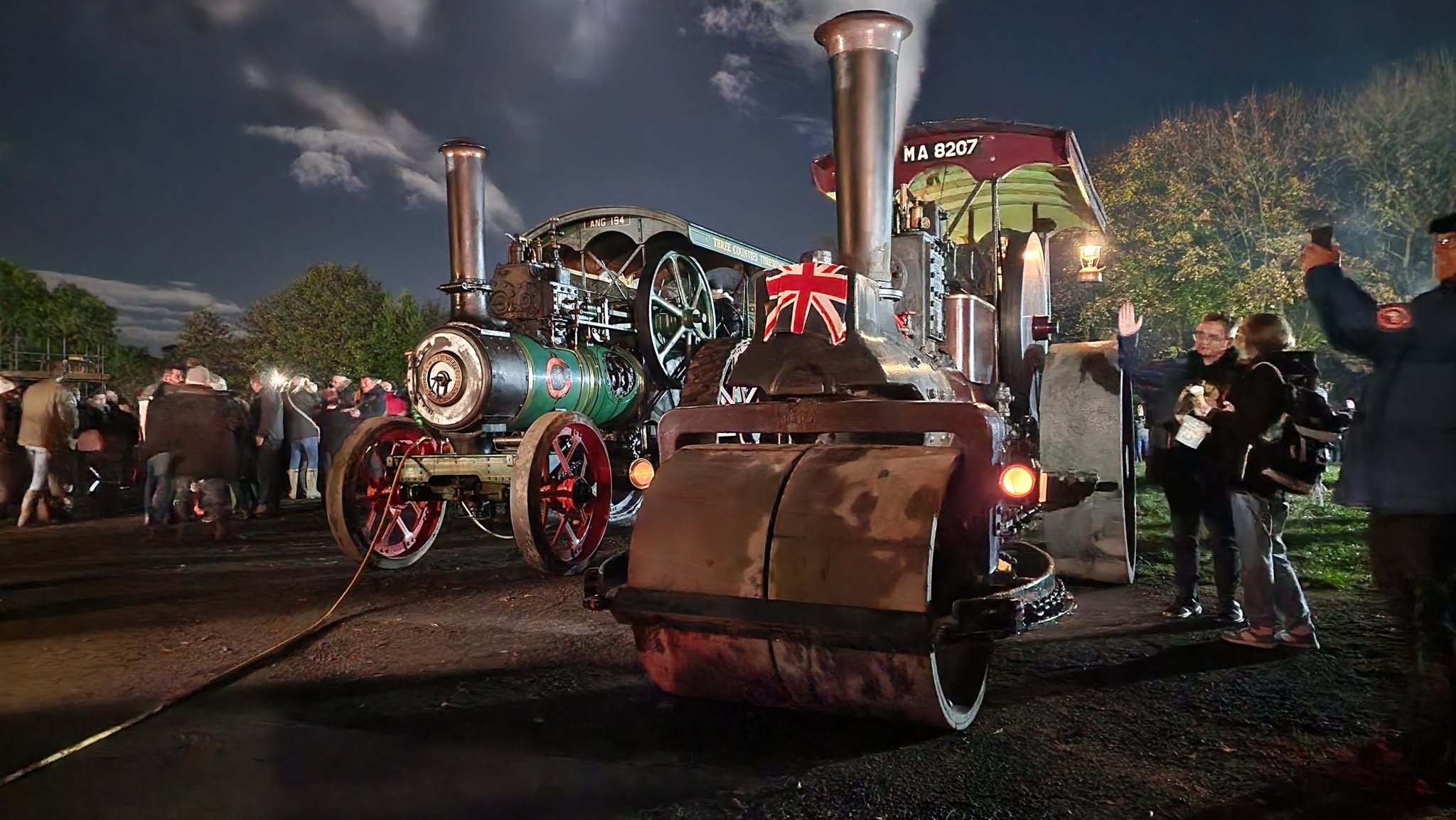
Photo credit James Hutton
Klondyke’s event calendar also includes its popular Bonfire Party, combining a professional firework and display with engines in steam.
Visitors can enjoy the spectacle alongside a barbecue, hot drinks and a licensed bar.
It is a wonderfully atmospheric way to experience machinery that was designed for a very different world – especially when the glow of a fire and the sound of steam engines combine on a November evening.
Getting Behind the Controls | Experience Days
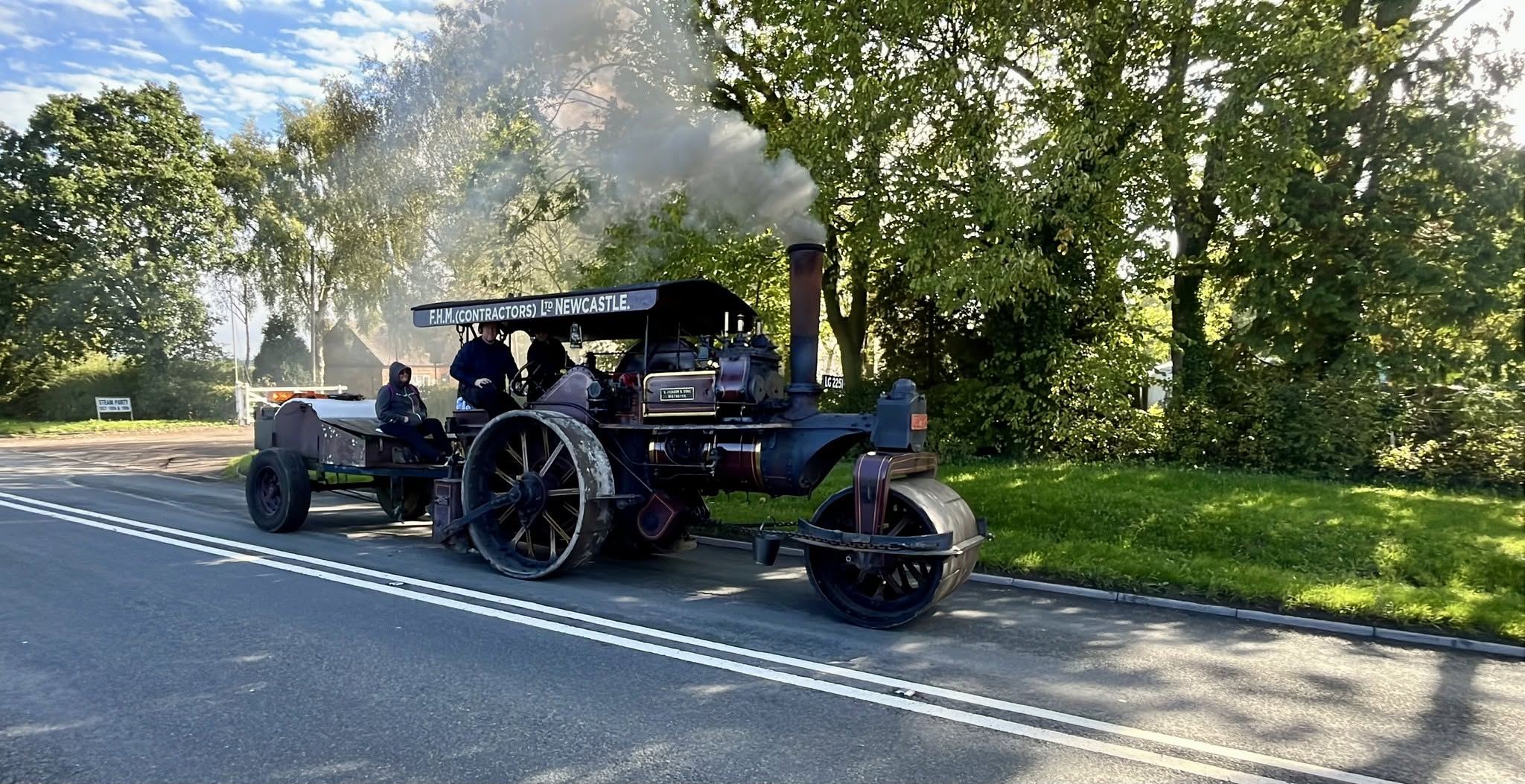
For those who want to go beyond simply watching, Klondyke offers something particularly special: traction engine experience days.
These experiences give participants the chance to learn about the controls and workings of a genuine traction engine under expert guidance. It is a hands-on introduction to the skills involved in operating these remarkable machines and a chance to appreciate just how much knowledge was required to handle steam-powered equipment.
It is heritage you don’t simply look at – it is heritage you can hear, feel and experience.
A Living Part of East Staffordshire’s Heritage
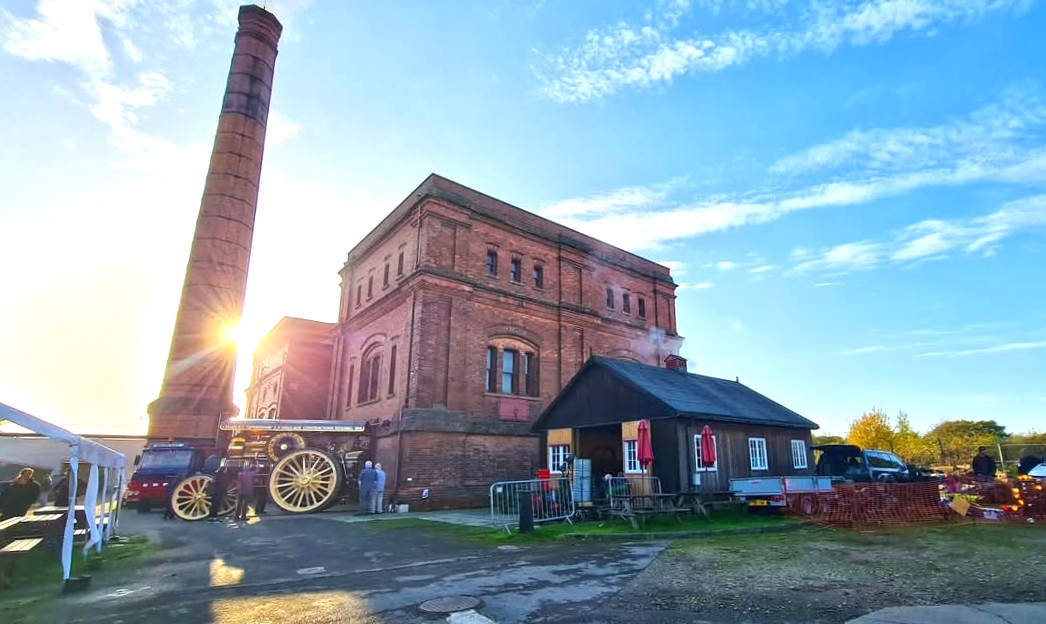
Klondyke Mill sits within the countryside of Draycott in the Clay, making it a natural part of a wider East Staffordshire heritage trail.
The area has strong connections with the industrial, agricultural and engineering history of the region, and Klondyke provides an unusually hands-on window into that past. Rather than presenting history behind glass, the club keeps historic machinery moving and gives enthusiasts the opportunity to share their knowledge with visitors.
There are also connections with other local heritage organisations. The Claymills Victorian Pumping Station near Burton upon Trent,
for example, has longstanding links with the Klondyke club, including visits and the movement and restoration of historic machinery between the two organisations.
That spirit of cooperation is an important part of the heritage movement: machinery, expertise and enthusiasm can be shared, ensuring that more of Staffordshire’s engineering story survives.
Come and Hear East Staffordshire History Roar into Life
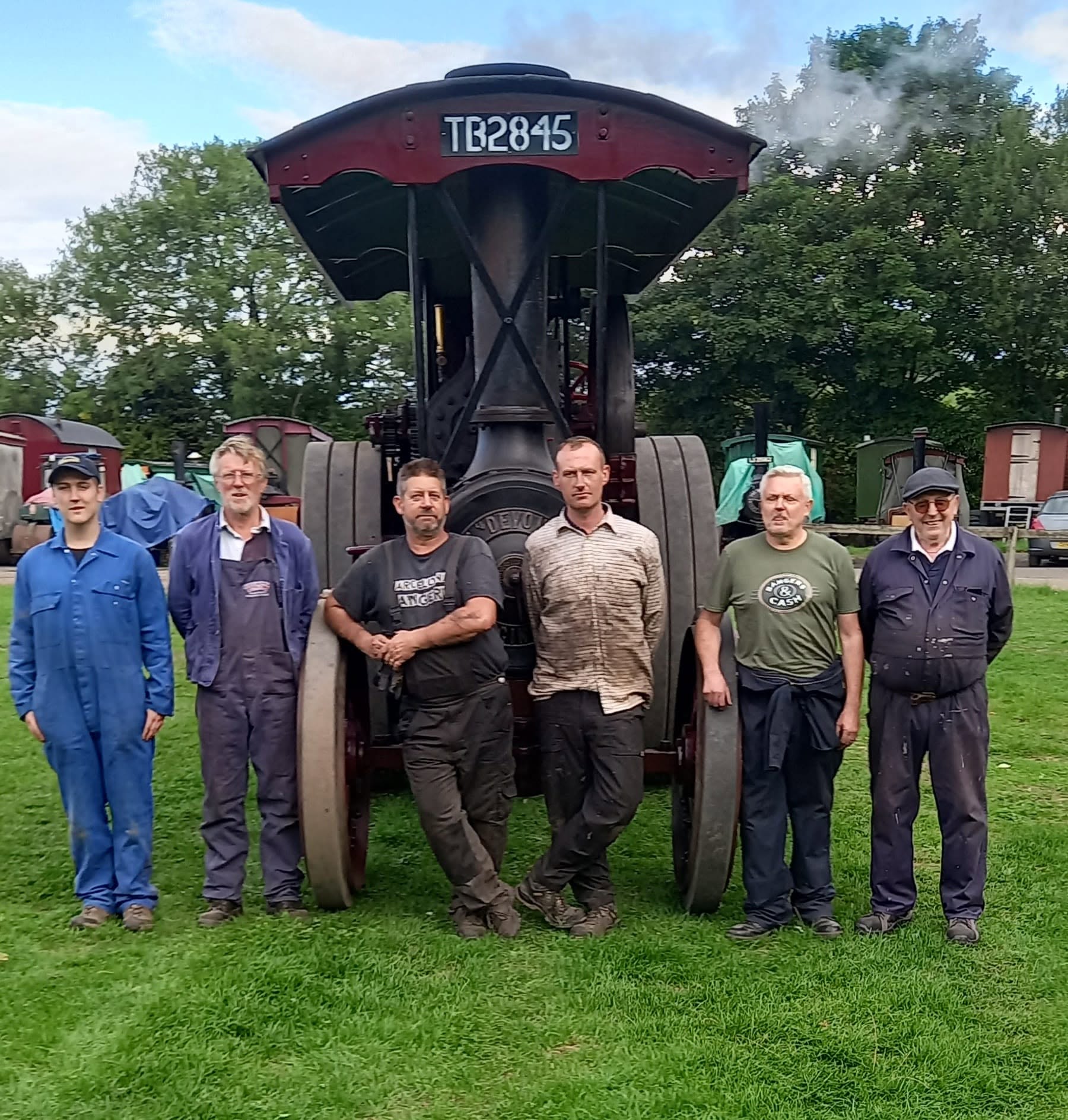
Photo credit Elizabeth Greenwood
Klondyke Mill isn’t a museum in the traditional sense, and that is part of its charm. The club explains that it is not open to the public as a museum, but visitors are welcome by prior arrangement or during public events. Groups can also arrange visits with the club.
When the gates do open for a Steam Party, road run or special event, however, the atmosphere is unmistakable.
There are engines to admire, machinery to investigate, stories to discover and people who are genuinely passionate about keeping this remarkable part of Britain’s past alive.
For anyone interested in steam, classic vehicles, engineering, agriculture, transport or simply the sights and sounds of a bygone age, Klondyke Mill is one of East Staffordshire’s most distinctive heritage destinations.
So next time you hear the distant chuff-chuff of a steam engine, follow the sound. You might just find a piece of Staffordshire history still working hard.