
The Burton Sculpture Trail is an inspiring outdoor exhibition that weaves art seamlessly into the town’s vibrant streets and green spaces. Featuring a stunning collection of sculptures by talented artists, this trail offers a unique way to experience Burton upon Trent—combining creativity, culture, and a beautiful setting all in one walk. Whether you’re an art enthusiast or simply looking for a fresh way to explore the town, the sculpture trail promises something special for everyone.
Discover Burton’s Quirky Stone Faces on Worthing Street!
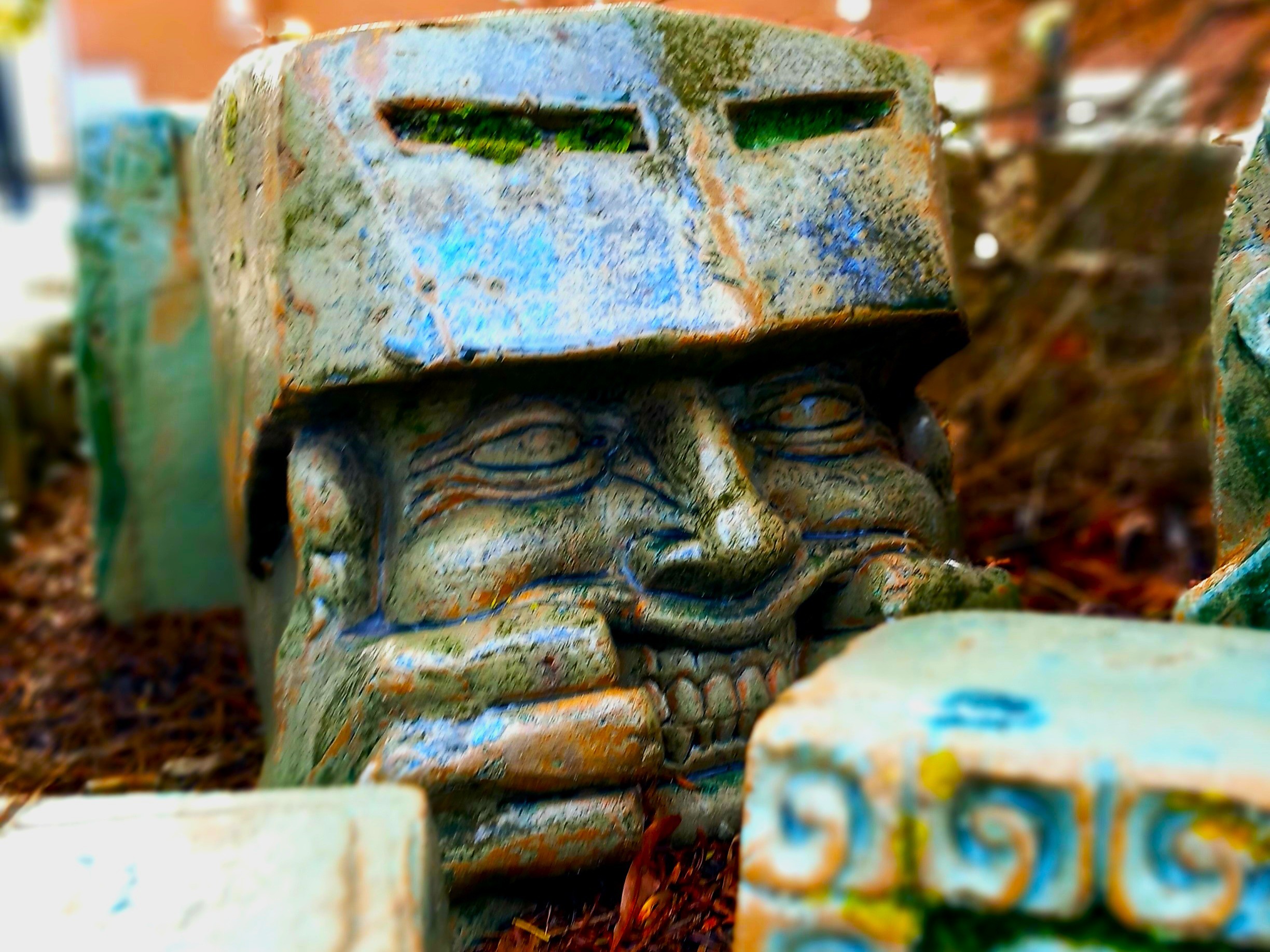
Faces in the Stones, Sean Hedges-Quinn 2013
On your next visit to Burton, take a leisurely stroll along Worthing Street and see if you can spot one of the town’s most delightful hidden gems—the Block Head sculptures! Nestled among the tree-lined stones, these playful carved faces by local artist Sean Hedges-Quinn (2013) are a fascinating nod to Burton’s incredible stone-carving heritage, which spans over 300 years.
Each face peeks out from the ground as if whispering stories of the past, celebrating the talent of the artisans who once hand-crafted intricate memorials and effigies for the region. It’s like stumbling upon Burton’s own mini “terracotta army,” right in the heart of town!
So, slow down, take a closer look, and let these captivating sculptures guide you on a journey through Burton’s rich history and creative spirit.
Discover the Grace of the St Modwen Sculpture on Andressey Island!

St Modwenna, John Fortnum 1995
Wander over to Andressey Island in Burton upon Trent and you’ll find one of the town’s most mesmerising landmarks—the St Modwen Sculpture, part of the Washlands Sculpture Trail. Unveiled in 1995 and designed by renowned artist John Fortnum, this 14-foot steel, wood, and brass masterpiece isn’t just a feast for the eyes, it’s alive with the wind! Its cloak of steel strips sways gently, creating soft, melodic sounds as it turns towards the breeze, making it a sculpture you can both see and hear.
The sculpture honours St Modwenna, a 7th-century Irish noblewoman and abbess who built a chapel on this very island, leaving a lasting mark on Burton’s history. Today, it stands as a modern tribute to her story and the spiritual heart of the area.
Located near the viaduct, this serene riverside spot is perfect for reflection, a riverside picnic, or simply soaking up Burton’s rich heritage while surrounded by the natural beauty of the Washlands.
Step Through History with the Malt Shovel Sculpture!

The Malt Shovel, Andrew Hazell 2001: Photo credit Gavin Dean
At the bustling junction of High Street and New Street in Burton upon Trent stands one of the town’s most iconic landmarks—the Malt Shovel Sculpture. Towering at 9 metres tall, this gleaming stainless steel artwork by Andrew Hazell, unveiled in 2001, pays tribute to Burton’s world-famous brewing heritage and the traditional malt shovel used in the brewing process.
What makes this sculpture truly special is its bottle-shaped opening, which invites you to walk right through it—literally stepping into the story of Burton’s brewing past! Its reflective surface captures both the town’s historic charm and its vibrant, modern spirit, making it a perfect photo spot.
Although its bold design once sparked lively local debates, the Malt Shovel has since become a beloved landmark and a must-see stop for anyone exploring Burton’s town centre. Whether you’re a brewing enthusiast or just love discovering unique public art, this sculpture is the perfect place to pause, snap a photo, and celebrate Burton’s heritage.
Creativity in Steel: Burton College’s Stunning Sculpture Showpiece
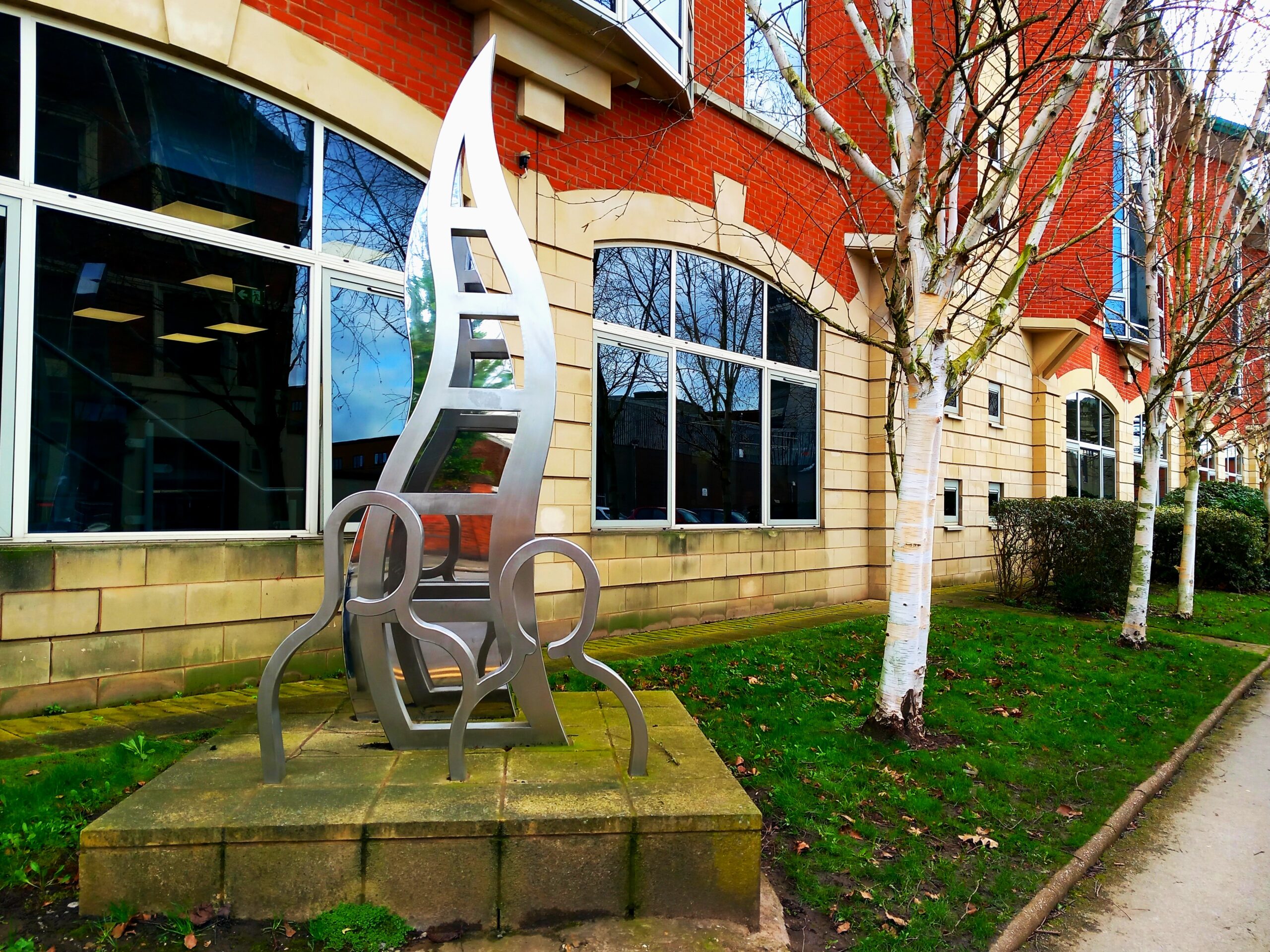
Creativity in Steal, David Storm 2003
Located at the corner of Abbey Street and Lichfield Street in Burton upon Trent, Creativity in Steal the stainless steel sculpture at Burton and South Derbyshire College was designed and created by students and staff of Burton College and artist David Storm in 2003. Unveiled by HRH The Earl of Wessex during the opening of the Learning Centre, this piece celebrates the creativity and craftsmanship of the college community. It highlights the college’s dedication to nurturing artistic talent and innovation, while giving students a valuable chance to bring their artistic ideas to life through a real-world project.
Love it or Hate It: Discover the Quirky Charm of the Monumite!
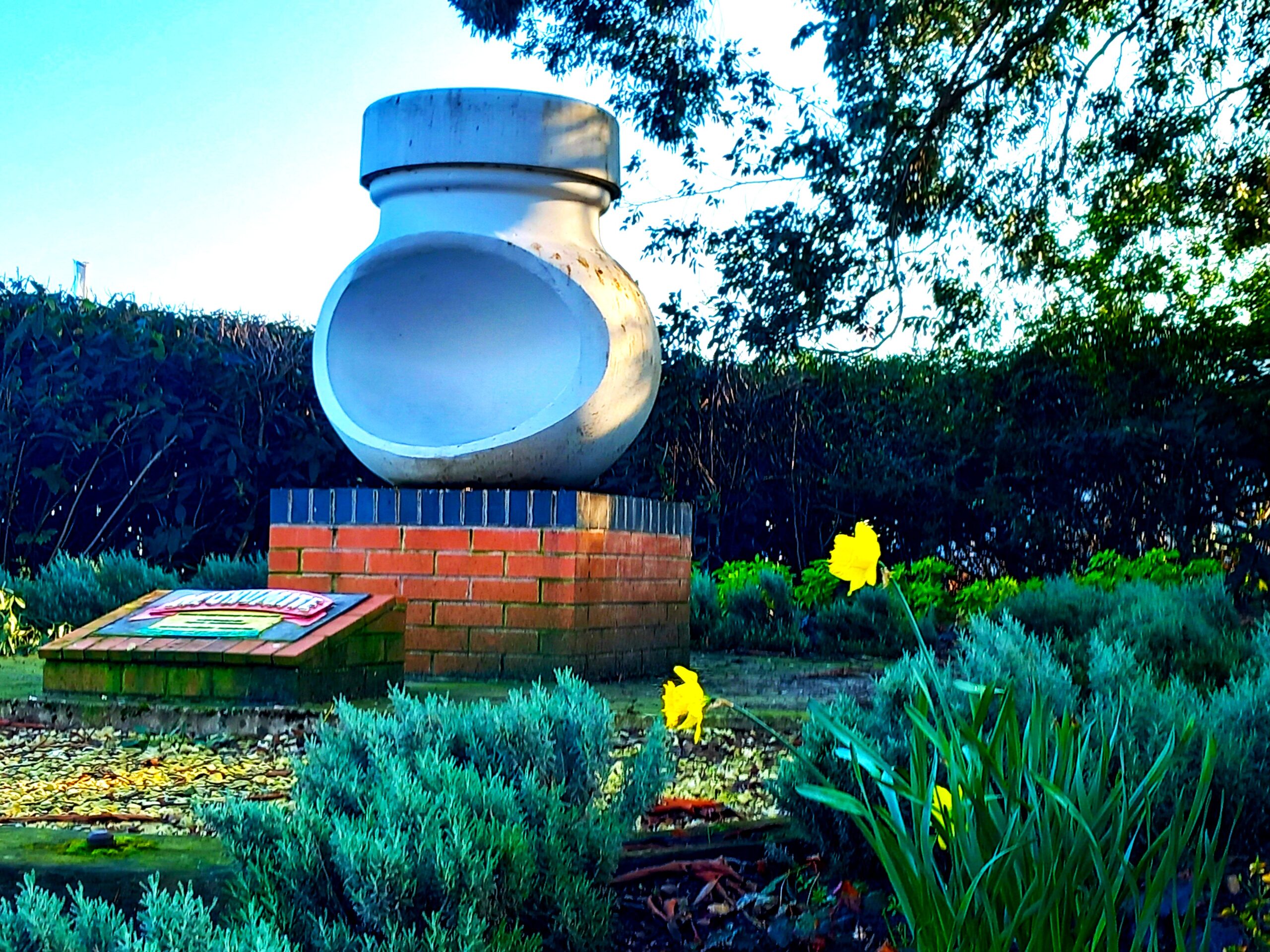
Monumite, Axtell Perry & Symm 2010
If you love uncovering fun and unique public art, you can’t miss the Monumite, Burton upon Trent’s playful tribute to its famous connection with Marmite! Unveiled in 2010, this striking Portland stone sculpture originall sat near Burton Library, overlooking the scenic River Trent in the Washlands, on Evershed Way
Shaped with an oval hollow that cleverly echoes the iconic Marmite label, the Monumite is instantly recognisable and perfect for a photo moment. But there’s more than meets the eye, this sculpture originally featured Bluetooth technology, giving visitors the chance to unlock fascinating digital stories about Marmite’s rich history and cultural impact.
Designed by JAM Brand Consultants and crafted by the skilled stonemasons at Axtell Perry & Symm, the Monumite was
commissioned by Unilever as a creative celebration of Burton’s industrial heritage. Whether you’re a die-hard Marmite fan or simply love discovering innovative public art, the Monumite is a must-visit stop on your Burton adventure!
The Burton Cooper: A Timeless Tribute to Brewing Heritage


The Burton Copper, James Walter Butler in 1977
The Burton Cooper is a bronze sculpture created by artist James Walter Butler in 1977. It depicts a local craftsman, known as a cooper, shaping a wooden barrel—an homage to Burton upon Trent’s rich brewing heritage. The sculpture was commissioned by Pensman Nominees Ltd and funded by major brewers operating in the town at the time, including Bass-Charrington, Marstons, and Allied Breweries, as well as the Burton Civic Society.
Originally situated outdoors, the statue was relocated to its current location inside the Coopers Square Shopping Centre in 1994 during the centre’s refurbishment. Despite some local opposition, the move preserved the sculpture and allowed it to remain a prominent feature of the town’s landscape.
The Burton Cooper serves as a lasting tribute to the coopers who were integral to the brewing process in Burton upon Trent, reflecting the town’s deep connection to the brewing industry.
Marvel at the Beer Barrel Fountain: A Flowing Tribute to Brewing!
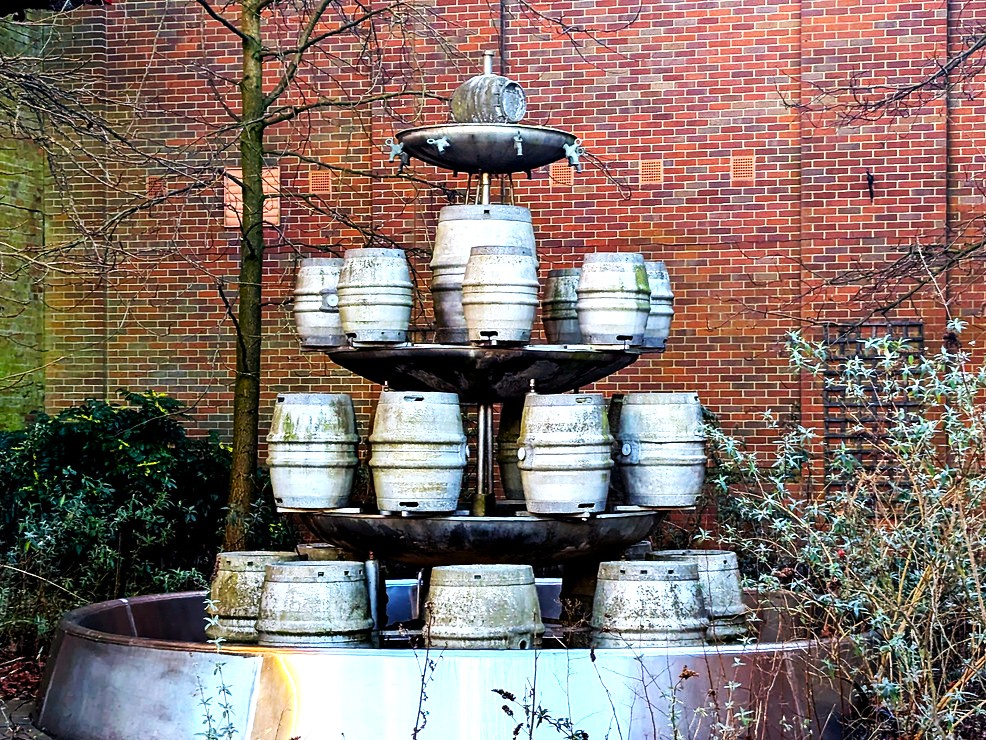
Caskade, W.J. Giles 1985
Hidden within the grounds of the Molson Coors Brewery in Burton upon Trent lies a truly eye-catching piece of public art – the Beer Barrel Fountain, also known as Caskade. Created in 1985 by artist W.J. Giles, this striking sculpture is designed to resemble a towering stack of beer casks, with water cascading down from the top, perfectly capturing the spirit of Burton’s world-famous brewing heritage.
Originally positioned at the entrance of the historic Bass Burton Brewery, the fountain has since been relocated within the Molson Coors site. Now looking a little tired and awaiting a new home it remains a beloved landmark, celebrating the traditional craft of the coopers who once shaped the town’s brewing industry.
If you’re exploring Burton’s brewing history, the Beer Barrel Fountain is a must-see stop – a playful yet poignant reminder of the town’s golden brewing past.
Spot the Magic of Watching the Washlands!
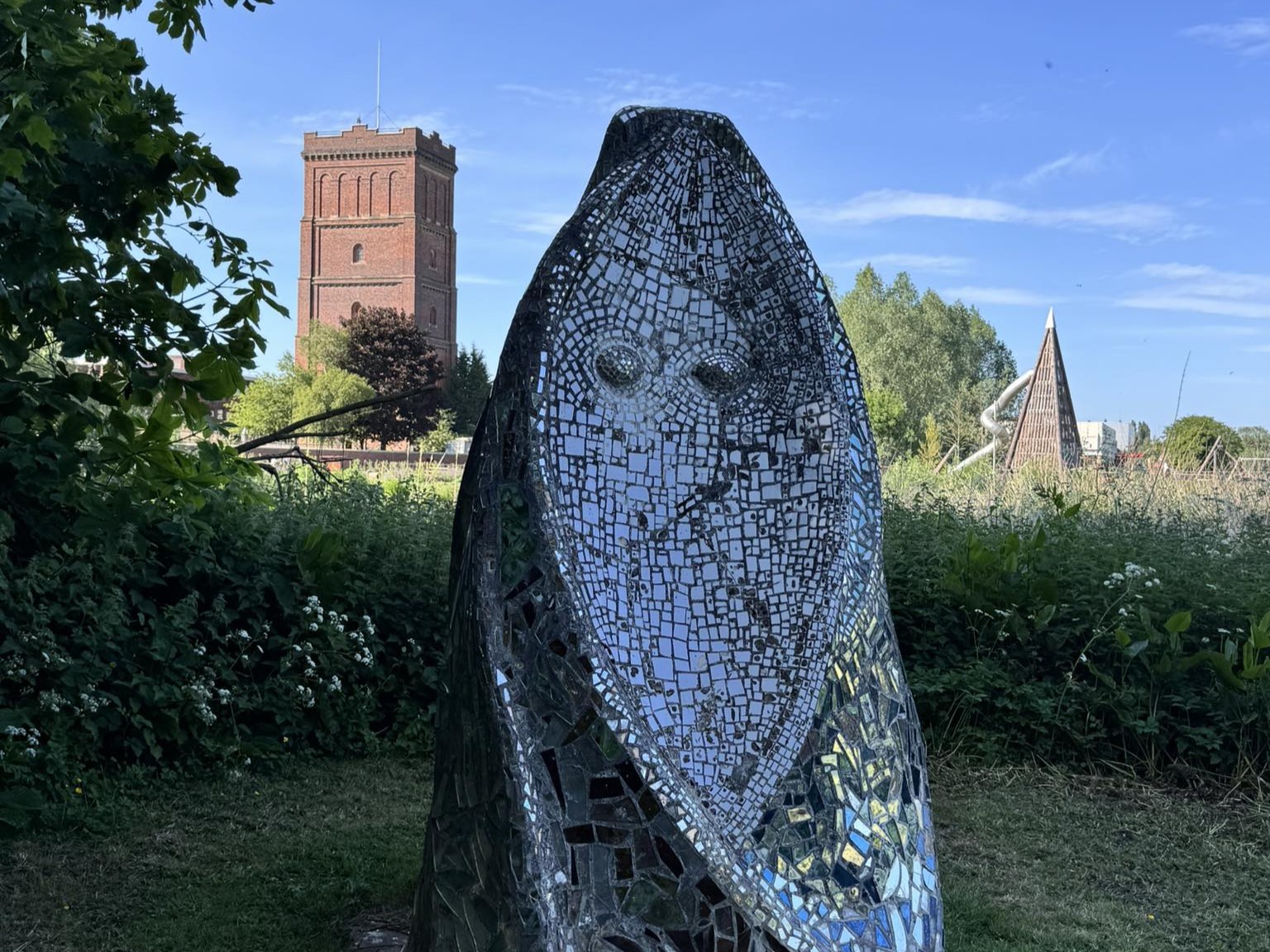
Watching the Washlands, Hattie Coppard 1993
Add a splash of colour to your sculpture trail adventure with Watching the Washlands – a pair of striking, mosaic-covered sculptures that seem to keep watch over the riverside. Created in 1993 by talented artist Hattie Coppard, these eye-shaped artworks draw inspiration from the legend of Saint Modwen’s healing waters, a story deeply rooted in Burton’s history.
Their vibrant patterns and bold design make them an unmissable stop on the Burton Sculpture Trail. Whether you’re exploring the Washlands for its natural beauty or hunting down every piece of public art, these captivating eyes are guaranteed to catch your attention and spark your curiosity!
Take a Break at the Heron Bench!
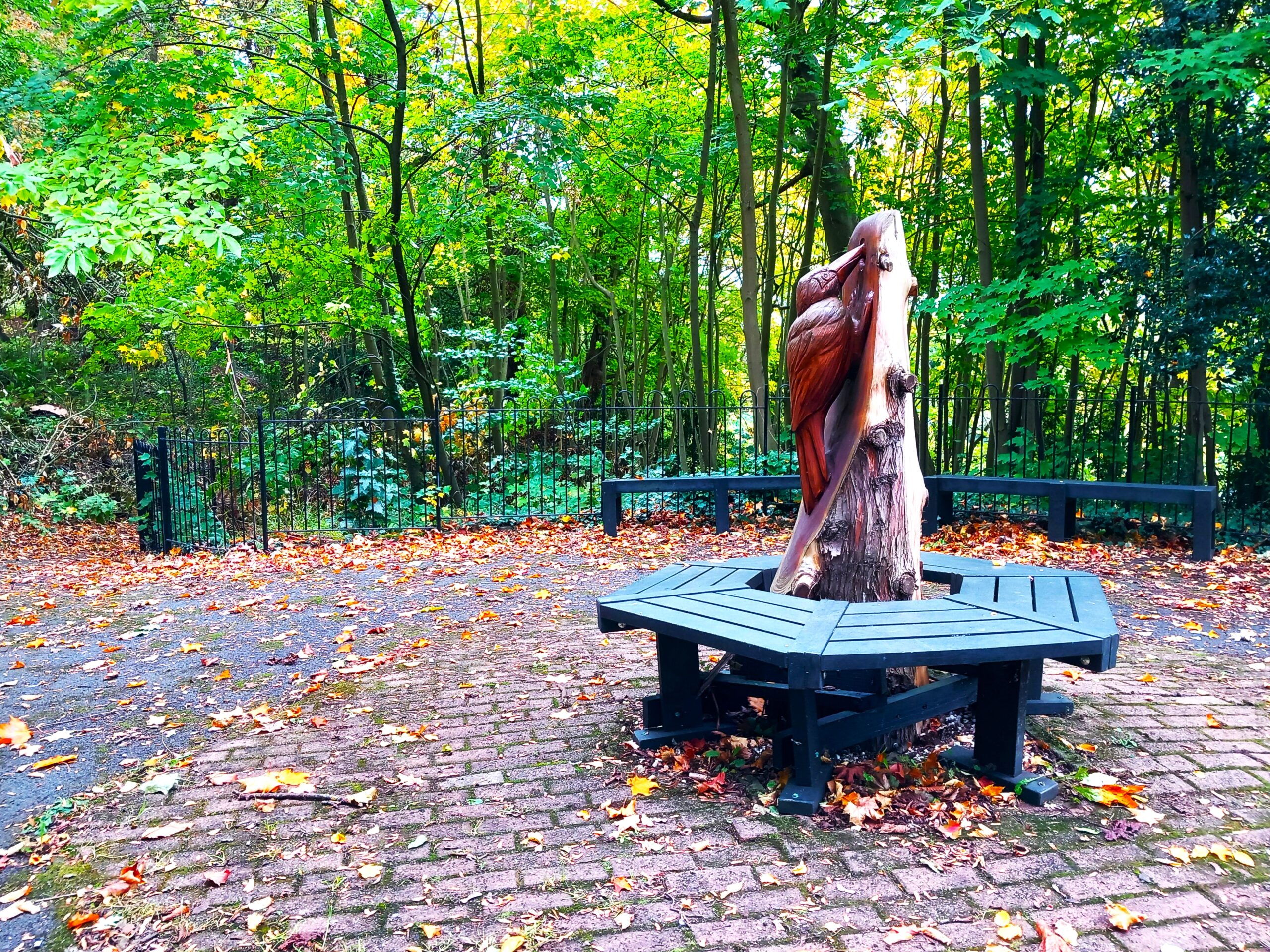
The Heron Bench
I am text block. Click edit button to change this text. Lorem ipsum dolor sit amet, consectetur adipiscing elit. Ut elit tellus, luctus nec ullamcorper mattis, pulvinar dapibus leo.
Need a peaceful pause on your sculpture trail adventure? The original Heron Bench, crafted in 1995 by talented artist Nigel Hobbins, was more than just a place to sit—it’s a work of art. Carved from solid oak, the bench captures the elegant form of a heron, perfectly reflecting the wildlife and natural beauty of Burton’s Washlands.
This tranquil resting spot invites you to slow down, take a breath, and enjoy the view. Whether you’re walking the trail solo or with family, the Heron Bench is the ideal place to stop, relax, and snap a quick photo with a piece of functional art that’s as charming as it is practical.
Splash into Fun with Bathtime 2 by 2!
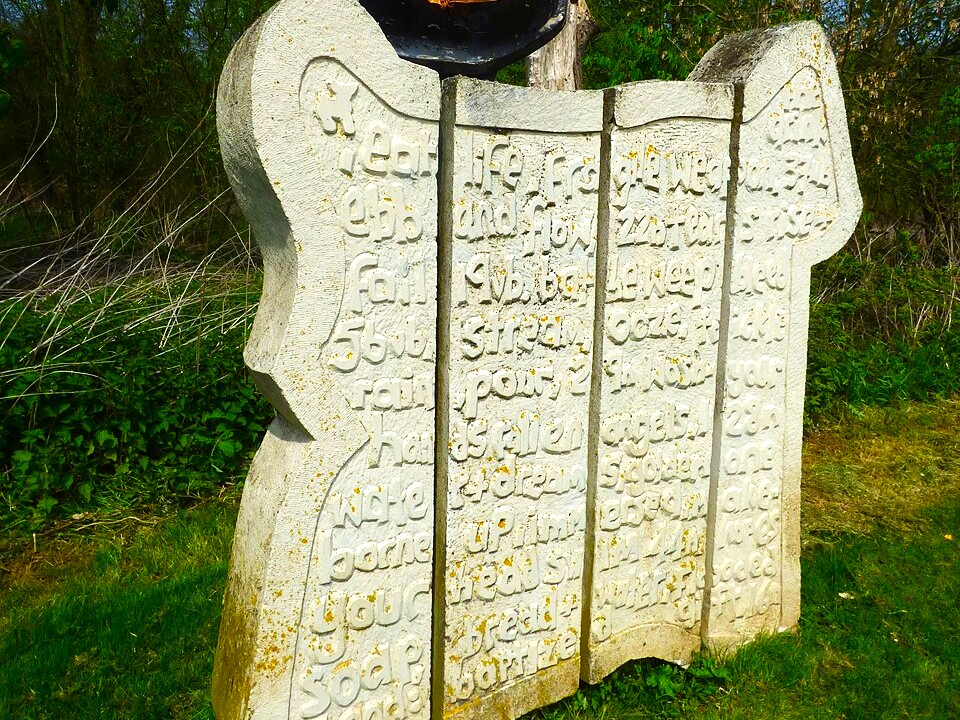
Bathtime 2 by 2, Stuart Bastick 1995
Add a touch of whimsy to your Burton Sculpture Trail adventure with Bathtime 2 by 2, created by artist Stuart Bastick in 1995. This playful sculpture features a slice of toast and floating ducks, cleverly capturing themes of water, renewal, and everyday joy.
It’s a lighthearted reminder to find delight in the simple moments and connects beautifully to Burton’s riverside setting. Perfect for a fun photo stop and a smile during your exploration of the town’s creative public art.
Celebrate Nature’s Strength with Growing Form
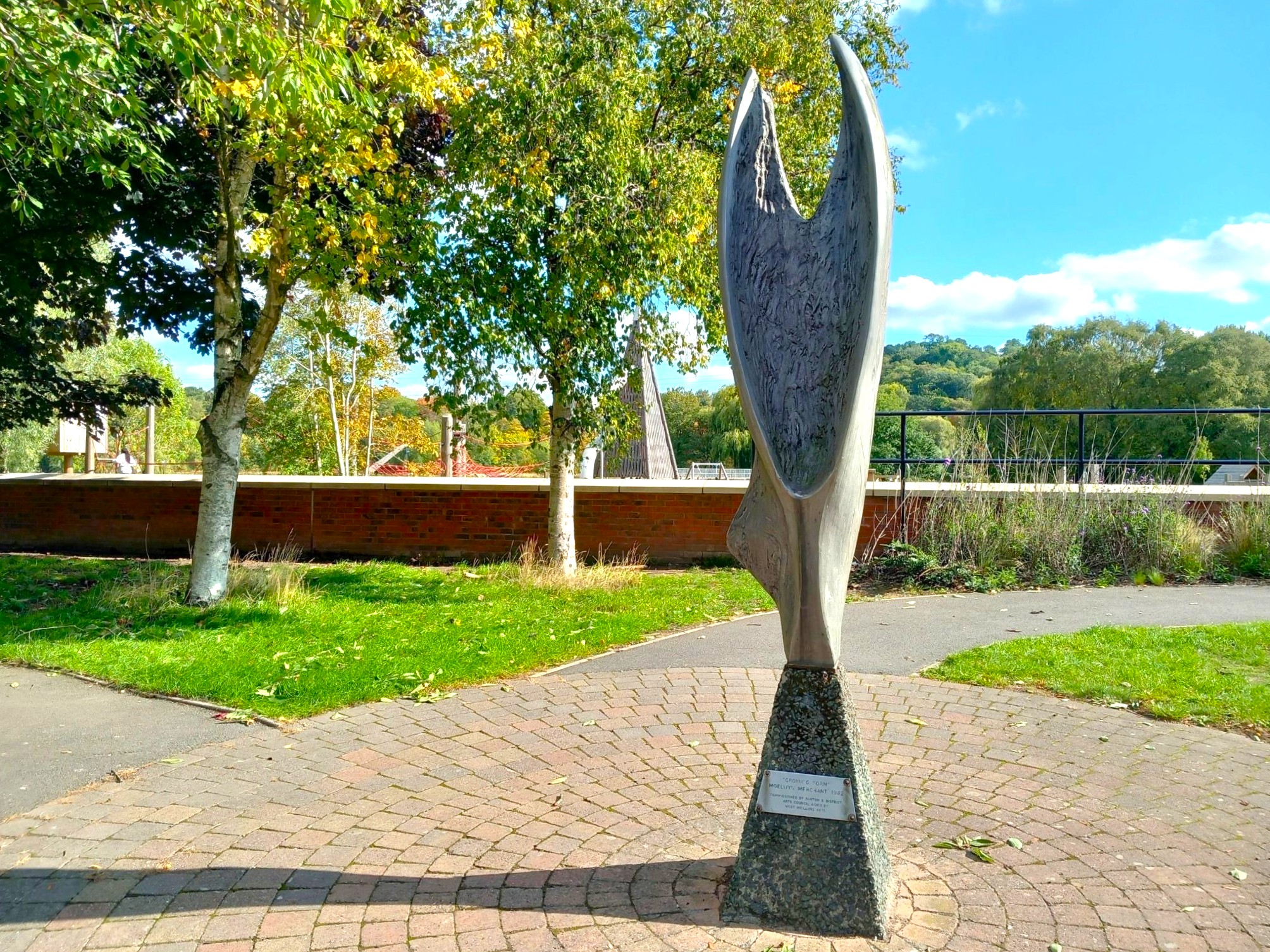
Growing Form, Moelwyn Merchant 1982
Discover Growing Form, a striking aluminium and granite sculpture by artist Moelwyn Merchant, created in 1982. This artwork beautifully symbolizes nature’s growth and resilience, perfectly reflecting the enduring spirit of Burton upon Trent’s natural landscape.
Placed thoughtfully along the River Trent, Growing Form invites visitors to pause and appreciate the power and beauty of the natural world as part of your artistic journey through Burton.
Coopers at Work: A Brewing Legacy Carved in Clay
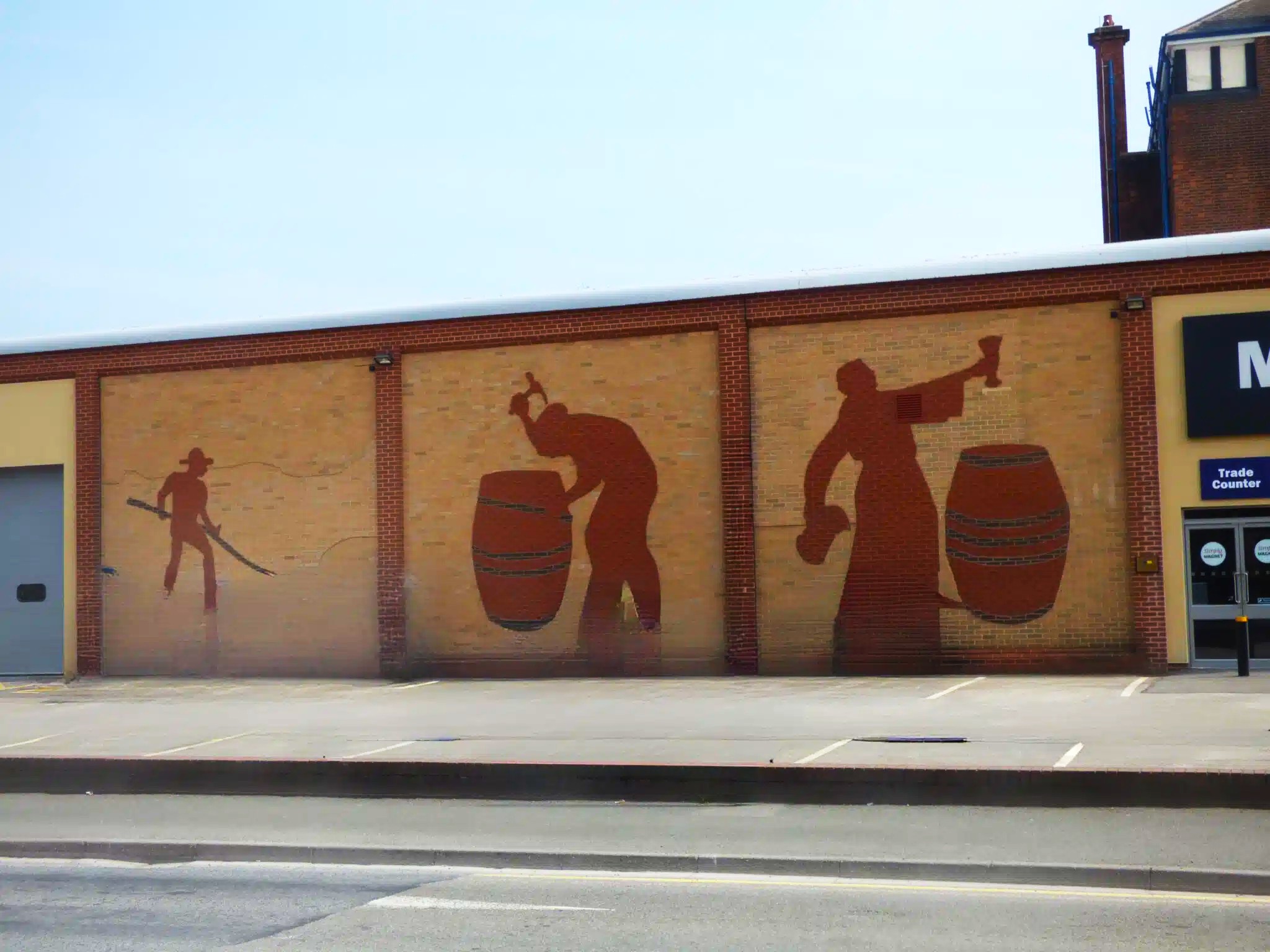
Coopers in Clay
Along Union Street, from the end of Duke Street towards the New Street junction, you’ll find a unique tribute to Burton’s world-famous brewing heritage. On the side of a former Comet store, a series of intricate brick relief sculptures depict traditional coopers hard at work shaping and crafting wooden barrels.
These artworks, now over 30 years old, are a striking reminder of the town’s proud brewing legacy. The skillful brickwork captures scenes of craftsmanship that once defined Burton upon Trent’s industrial landscape, celebrating the coopers who were essential to the brewing process.
Though the artist and exact installation date remain unconfirmed, these sculptures form an important part of Burton’s public art story. They blend seamlessly into the architecture of Union Street while offering passers-by a snapshot of the town’s history, telling the tale of how Burton’s brewing motifs have shaped its identity for centuries.
Whether you’re strolling through the town centre or following the Burton Sculpture Trail, this hidden gem is well worth a visit.
The Swan That Stole Burton’s Heart
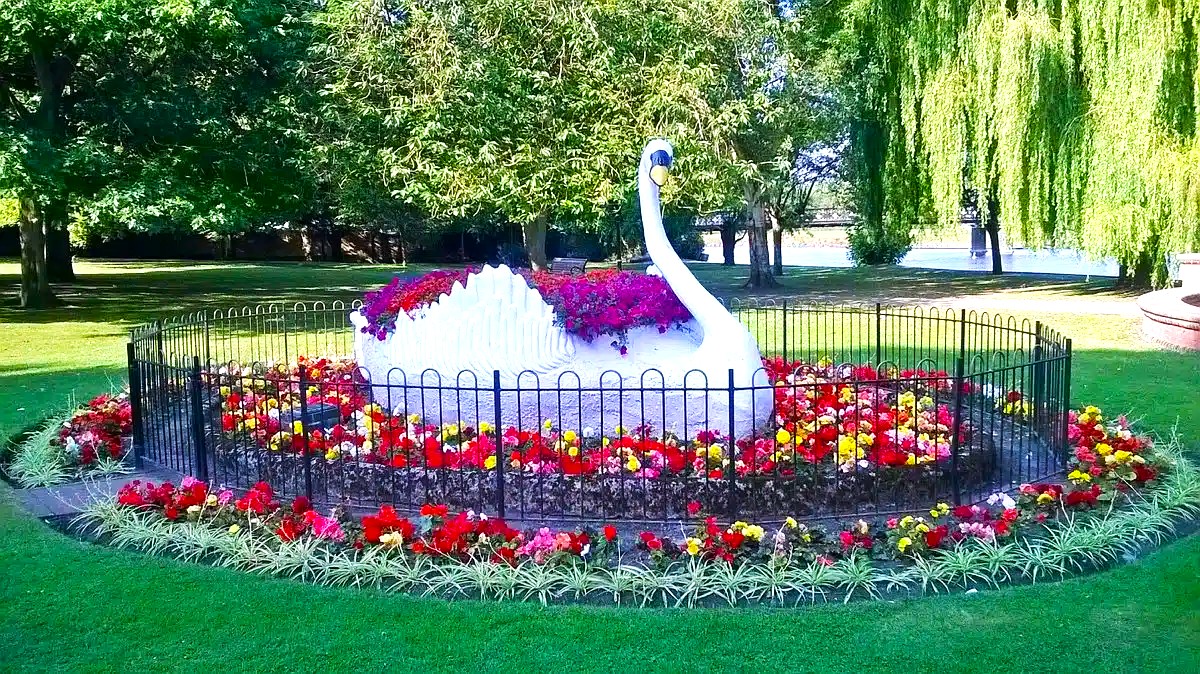
The Swan, Stapenhill Gardens
The large swan sculpture in Stapenhill Gardens, Burton upon Trent, is an iconic landmark with a rich history. Constructed in 1953 by the borough council, this cement-rendered swan was built by council staff during the winter months, using reclaimed bricks and materials sourced from the council’s road department. Its design features a straight neck and glass marble eyes, and it serves as both a decorative piece and a planter.
The exact inspiration for the sculpture remains a subject of local folklore. Some believe it commemorates the rare sightings of whooper and Bewick’s swans on the River Trent in 1951, while others suggest it honors the rescue of an oil-covered swan found in
a local boatyard during the early 1950s. Another theory connects the sculpture to the Coronation of Queen Elizabeth II in 1953, as the monarch co-owns all mute swans in the UK. Additionally, the sculpture may be linked to the legend of St. Modwen, who is said to have introduced mute swans to the area.
Despite initial criticism from the park superintendent, who described it as a “monstrosity,” the swan has become a beloved feature of the gardens. In 2018, it underwent restoration, including repairs and a fresh coat of paint, to preserve its status as a cherished local landmark.
Isis, Goddess of Beer: A Toast to Burton’s Brewing Heritage

Isis, Goddess of Beer, Peter Walker, 2005
Located in Burton upon Trent, the 10-foot bronze sculpture of Isis, Goddess of Beer, stands as a striking tribute to the town’s deep-rooted brewing legacy. Unveiled in 2005, this impressive artwork, created by artist Peter Walker draws inspiration from the ancient Egyptian deity Isis, who was revered not only as a goddess of healing but also as a symbol of strength and a role model for women.
Commissioned by Cameron Mews Homes, the sculpture celebrates the magic of beer, a beverage historically associated with both nourishment and community, and Burton’s status as one of the world’s most famous brewing towns. Isis embodies the healing power and cultural significance of beer, making her an apt guardian of Burton’s brewing tradition.
Whether you’re a history buff, a fan of public art, or simply curious about the stories behind Burton’s sculptures, Isis invites visitors to raise a glass to the town’s remarkable heritage and vibrant community spirit.
Don’t miss this unique piece on the Burton Sculpture Trail, a perfect blend of mythology, history, and local pride!
I am text block. Click edit button to change this text. Lorem ipsum dolor sit amet, consectetur adipiscing elit. Ut elit tellus, luctus nec ullamcorper mattis, pulvinar dapibus leo.
Cedar Cone: A Fallen Giant to a Symbol of Renewal
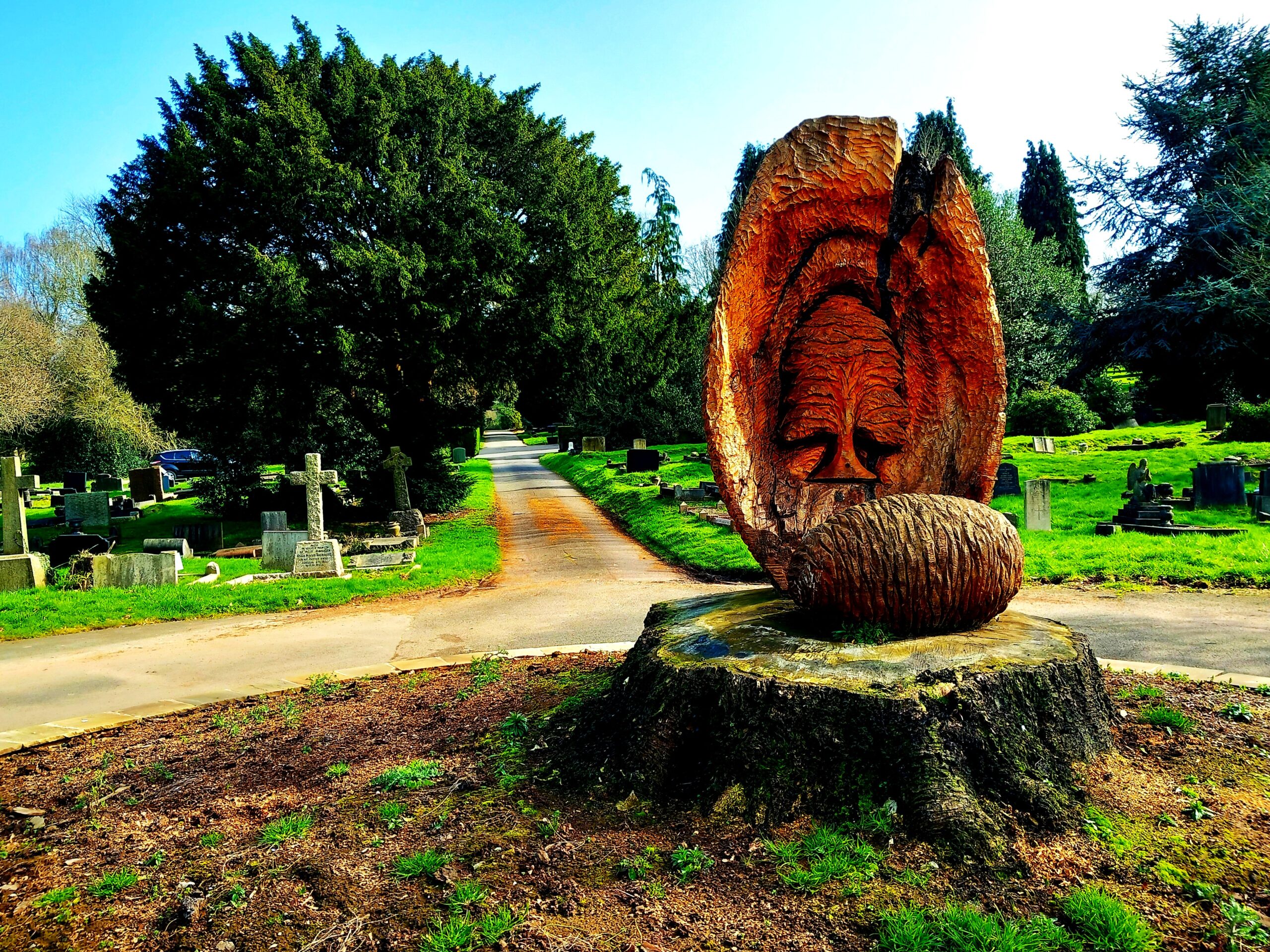
The Cedar Cone, Andrew Frost 2024
Located in Stapenhill Cemetery, the Cedar Cone sculpture by Andrew Frost (2024) stands as a striking tribute to renewal and reflection. Carved from the remains of a majestic Cedar of Lebanon (Cedrus Libani) that sadly fell due to age, the sculpture captures the spirit of what once stood. Its form encourages visitors to pause and contemplate the life of the tree and the new beginning it now represents. This piece is not only a celebration of nature’s resilience but also a meaningful addition to Burton’s evolving sculpture trail.
Diversitree: A Symbol of Unity and Growth

Diverstitree: A Symbol of Unity & Growth, Steven Tomlinson 2016
Diversitree: A Symbol of Unity and Growth by Steven Tomlinson is a striking outdoor steel sculpture celebrating the strength and diversity of the Burton upon Trent community. Created in 2016, the modern figurative artwork was inspired by workshops with local schools, giving young people the opportunity to contribute their ideas and creativity to its design. Taking the form of a tree—a timeless symbol of life, growth, and connection—the sculpture represents how individuals from different backgrounds can come together to form a strong, thriving community. Crafted from durable steel, Diversitree reflects both the town’s shared heritage and its hopes for the future, standing as a lasting reminder of collaboration, inclusion, and the importance of nurturing future generations.
Don’t miss the chance to discover the Burton Sculpture Trail for yourself. It’s the perfect outing to enjoy fresh air, appreciate incredible art, and connect with the local community. Whether you’re visiting solo, with friends, or family (four-legged friends included!), this trail offers an unforgettable experience that highlights the creative spirit of Burton upon Trent. Lace up your walking shoes and come see the sculptures that are transforming the town. there’s no better time to explore!

Download Our Free Trail App Today!
Don’t forget to take your guide with you! Download the Discover East Staffordshire Trails App, available on iPhone and Android, to explore walking routes, discover public art, uncover hidden gems and find even more amazing places to visit across East Staffordshire.