
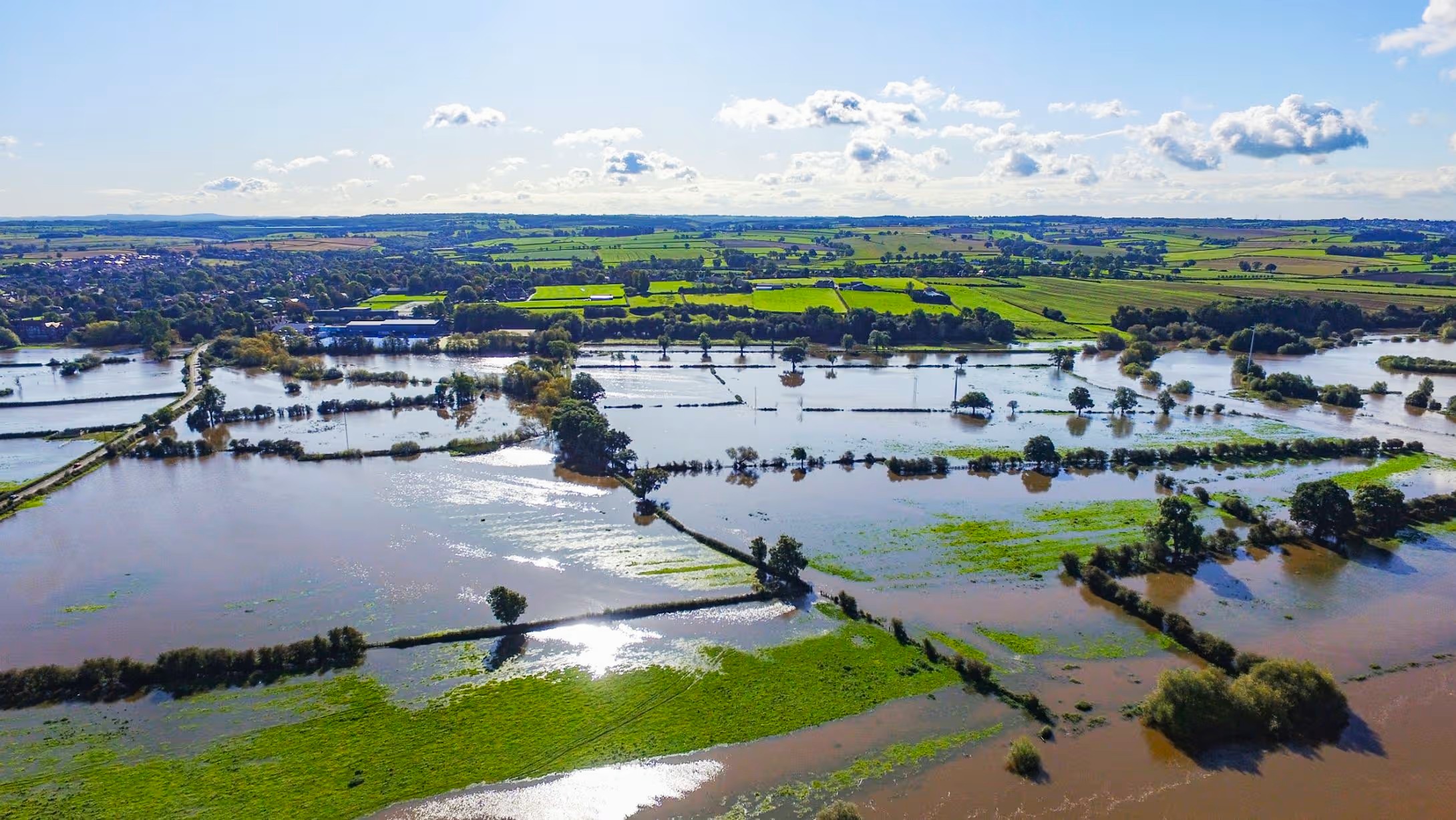
There is something wonderfully wild about the Burton Washlands.
Stretching alongside the River Trent and into the heart of Burton upon Trent, this remarkable green space is a landscape shaped by water. It changes with the seasons, with wildflowers appearing in the meadows, wildlife moving through the wetlands and, after periods of heavy rain, floodwater spreading across the floodplain.
For some, flooding might seem like a problem.
But look a little closer and you’ll discover something fascinating: flooding is also an essential part of what makes the Washlands such an important place for wildlife.
This is a landscape designed to get wet, and increasingly, it is being managed in ways that allow those natural processes to benefit both people and nature.
A Landscape Designed to Get Wet
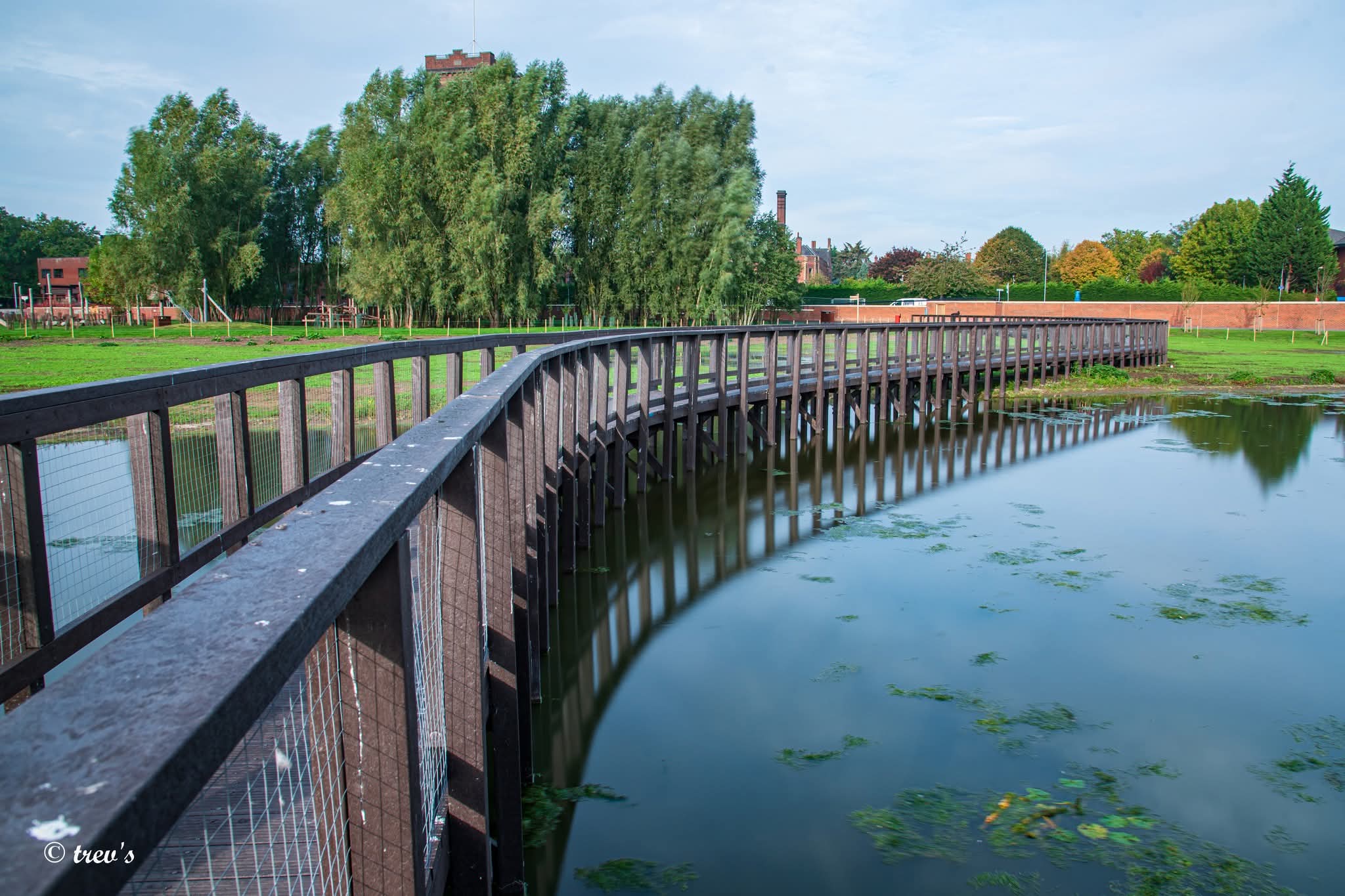
The Washlands is an extensive area of floodplain following the River Trent through Burton upon Trent. Its position means that regular flooding is a natural part of its character.
Unlike built-up areas, where flooding can cause serious disruption, a floodplain provides space for water to spread.
The Burton Washlands Landscape Vision recognises this important relationship between water, people and wildlife. Developed through collaboration between East Staffordshire Borough Council, the Environment Agency, Staffordshire Wildlife Trust and other partners, the vision aims to balance regular flooding with public access and recreation while improving nature conservation and sustainable green-space management.
The result is a landscape where flood management and wildlife conservation can work together.
The water isn’t simply something to keep out. It is part of the Washlands story.
When The River Rises, Nature Gets to Work
Wetlands and rivers are among the world’s most valuable wildlife habitats. They provide food, shelter, breeding areas and vital connections between different parts of the landscape.
At Burton Washlands, flooding helps create a constantly changing mosaic of wet grassland, pools, muddy margins, river channels and temporary habitats.
When water spreads across the floodplain, it can fill hollows and seasonal pools. As it recedes, it leaves behind damp ground, exposed gravels and freshly deposited sediment.
For wildlife, these changes create opportunities.
The Transforming the Trent Valley team has deliberately built on these natural processes, creating new habitats that mimic the features of a natural floodplain.
From Floodwater to Wildlife Ponds
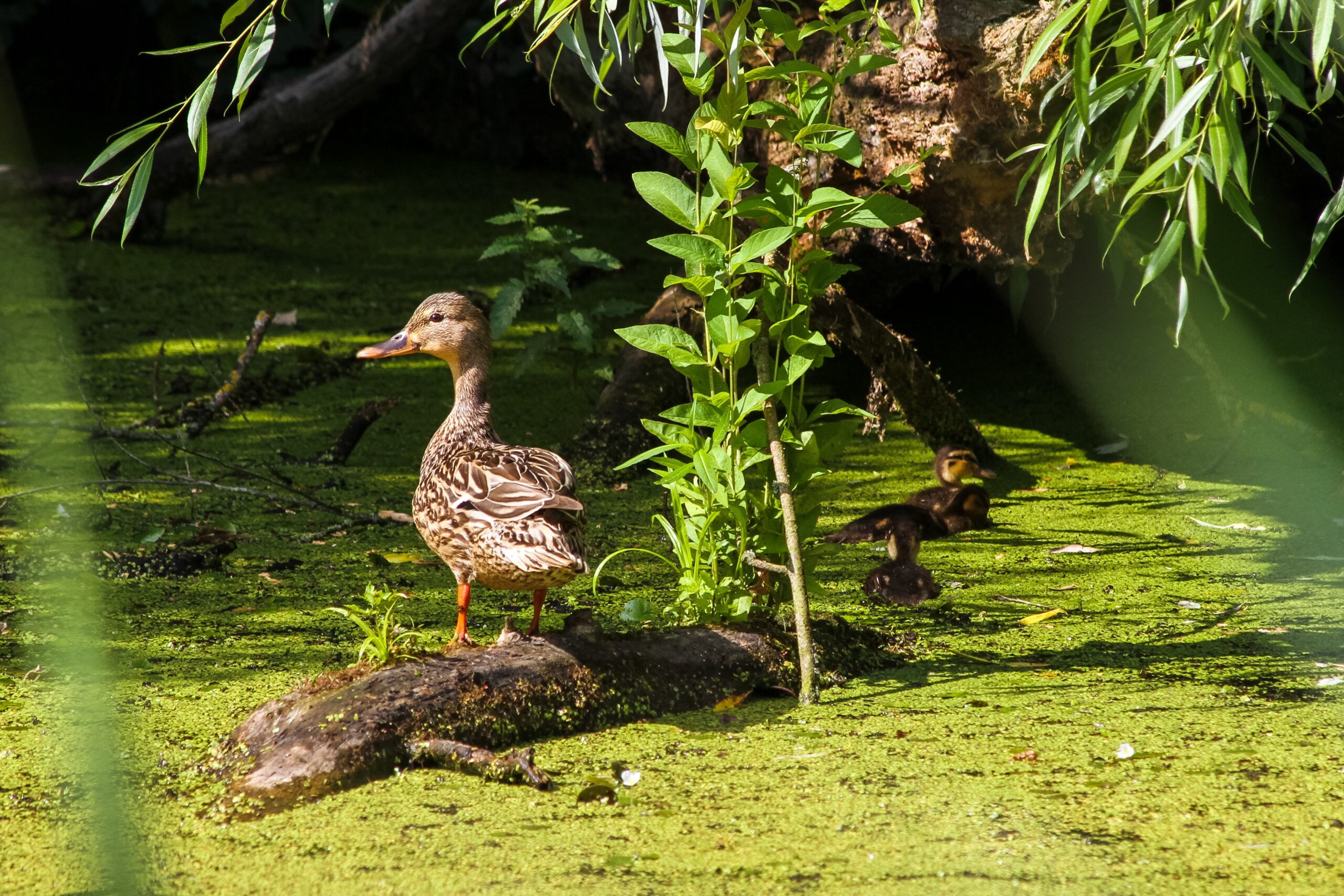
One of the most exciting changes has been transforming places where floodwater naturally collects into wildlife ponds and scrapes.
Rather than treating these wet patches simply as areas where water sits after a flood, the project has made them valuable habitats.
Some areas have been made slightly deeper, creating ponds with wide, shallow, vegetated margins. These can hold water following periods of flooding and provide habitat for aquatic plants, insects and amphibians.
And there is plenty to look out for.
The Transforming the Trent Valley project highlights water beetles, dragonflies, caddisflies and water snails as some of the creatures
that can benefit from these habitats. The ponds can also provide breeding places for frogs, newts and toads, particularly in spring.
So a pool that might look like a simple patch of water can actually be a miniature wildlife world. Learn more about wetland habitats on the Wildfowl & Wetlands website here.
Dragonflies on Patrol
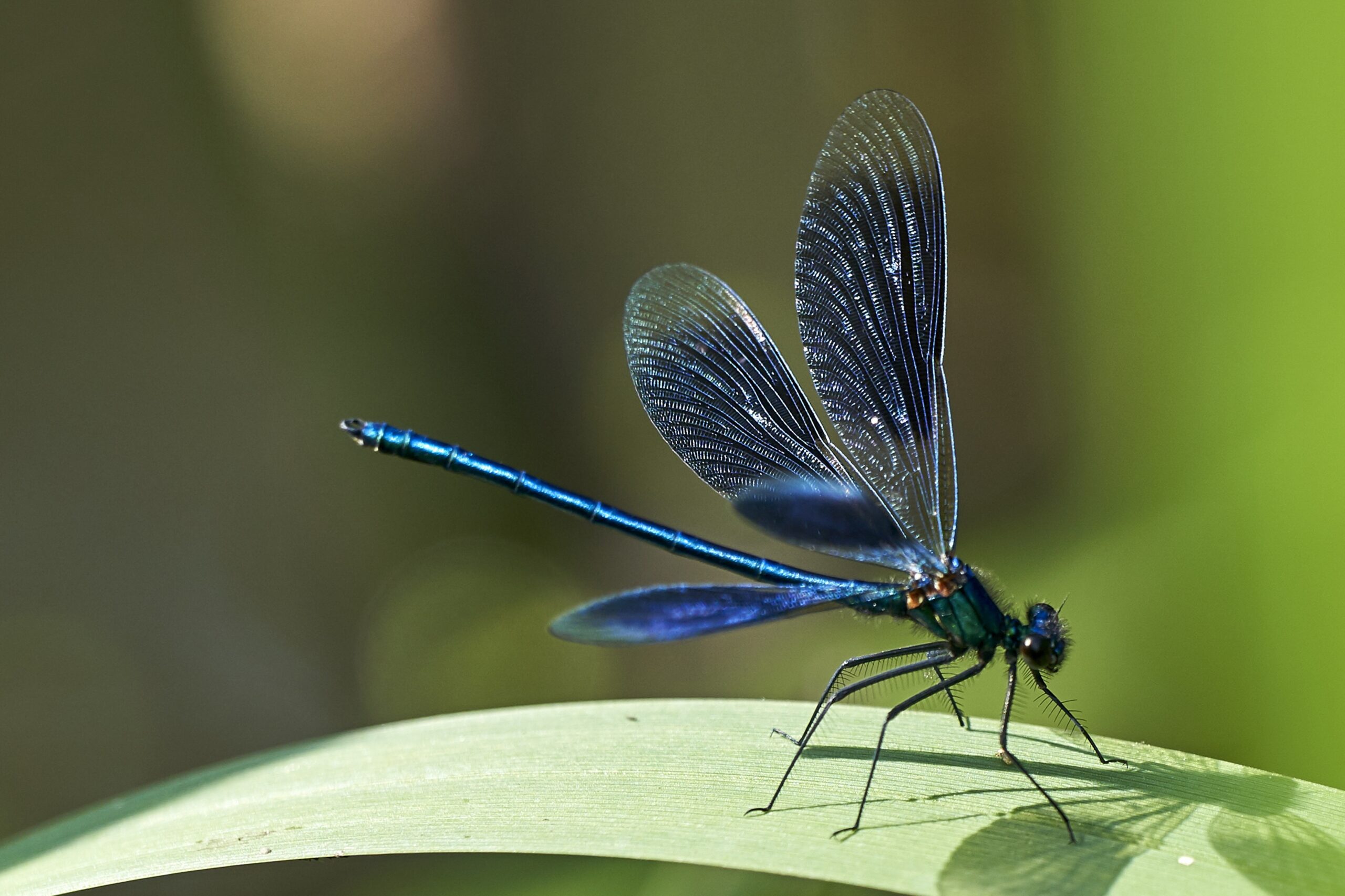
If you’re visiting on a warm summer day, keep an eye above the water.
The Washlands’ ponds and wetlands provide ideal opportunities for dragonflies and damselflies, and the Transforming the Trent Valley wildlife resources highlight species including the Emperor Dragonfly, Banded Demoiselle, Large Red Damselfly and Broad-bodied Chaser.
The Emperor Dragonfly is particularly impressive. It is one of Britain’s largest dragonflies and can be seen patrolling ponds and other freshwater habitats in summer.
For children, dragonflies can turn an ordinary walk into a wildlife treasure hunt.
Can you spot one hovering over the water?
Can you follow it without losing sight of it?
And can you tell the difference between a dragonfly and a damselfly? Check out the British Dragonfly society website here
A Haven for Bees and Butterflies
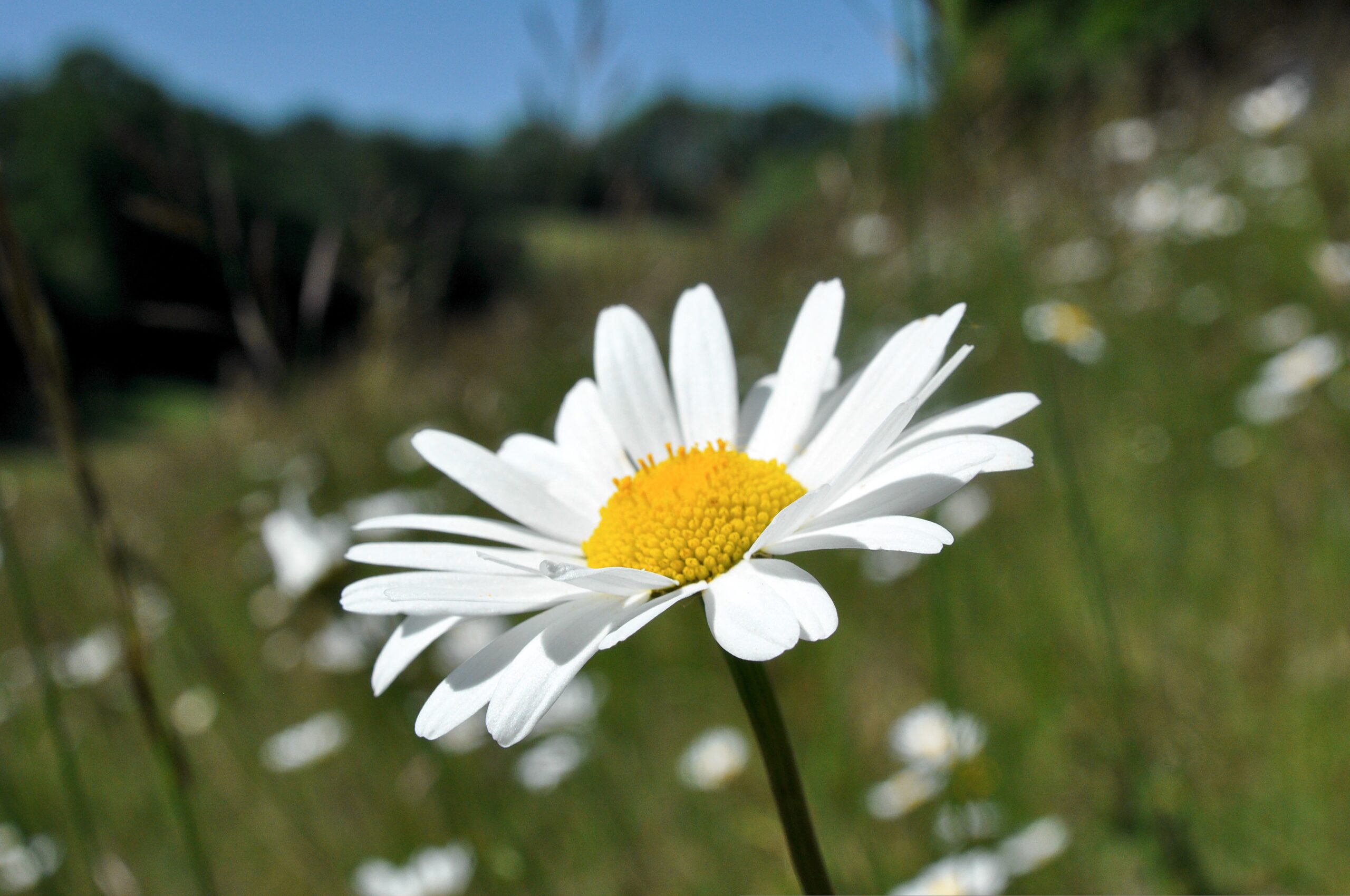
The Washlands isn’t only about water.
Much of the floodplain is grassland, and improving the variety of plants growing here is another important part of the conservation work.
The Transforming the Trent Valley project has introduced local wildflowers to meadow areas, including species such as knapweed, great burnet and oxeye daisy. These provide valuable sources of pollen and nectar for insects, including bees and butterflies.
This matters because wildflower-rich grasslands support far more than colourful flowers.
They create feeding opportunities for pollinators, which in turn support wider food chains.
And they make the Washlands more enjoyable for people too.
In summer, the meadows can become a wonderful place to slow down and watch the constant movement of insects among the flowers.
Look closely and you may find butterflies moving from flower to flower, bees collecting pollen and hoverflies mimicking the appearance of bees and wasps.
Meet the Washlands Wildlife

The Washlands is home to a fascinating variety of wildlife, and the Transforming the Trent Valley Big Washlands Watch initiative has encouraged people to become wildlife detectives.
Its identification resources feature 32 target species from across the Trent Valley, covering mammals, birds, insects and plants. They include the Emperor Dragonfly, Elephant Hawkmoth, Lesser Stag Beetle, Banded Demoiselle, Large Red Damselfly and Broad-bodied Chaser, alongside birds and mammals such as reed bunting, willow tit, brown hare and grass snake.
The project even created activities specifically for children, including tree-spotting guides and species hunts.
That Washlands is more than somewhere to walk, it’s a giant ever-changing outdoor classroom. You can find a monthly wetlands wildlife calendar on The Wildfowl & Wetlands Trust website here
A Nursery for Young Fish
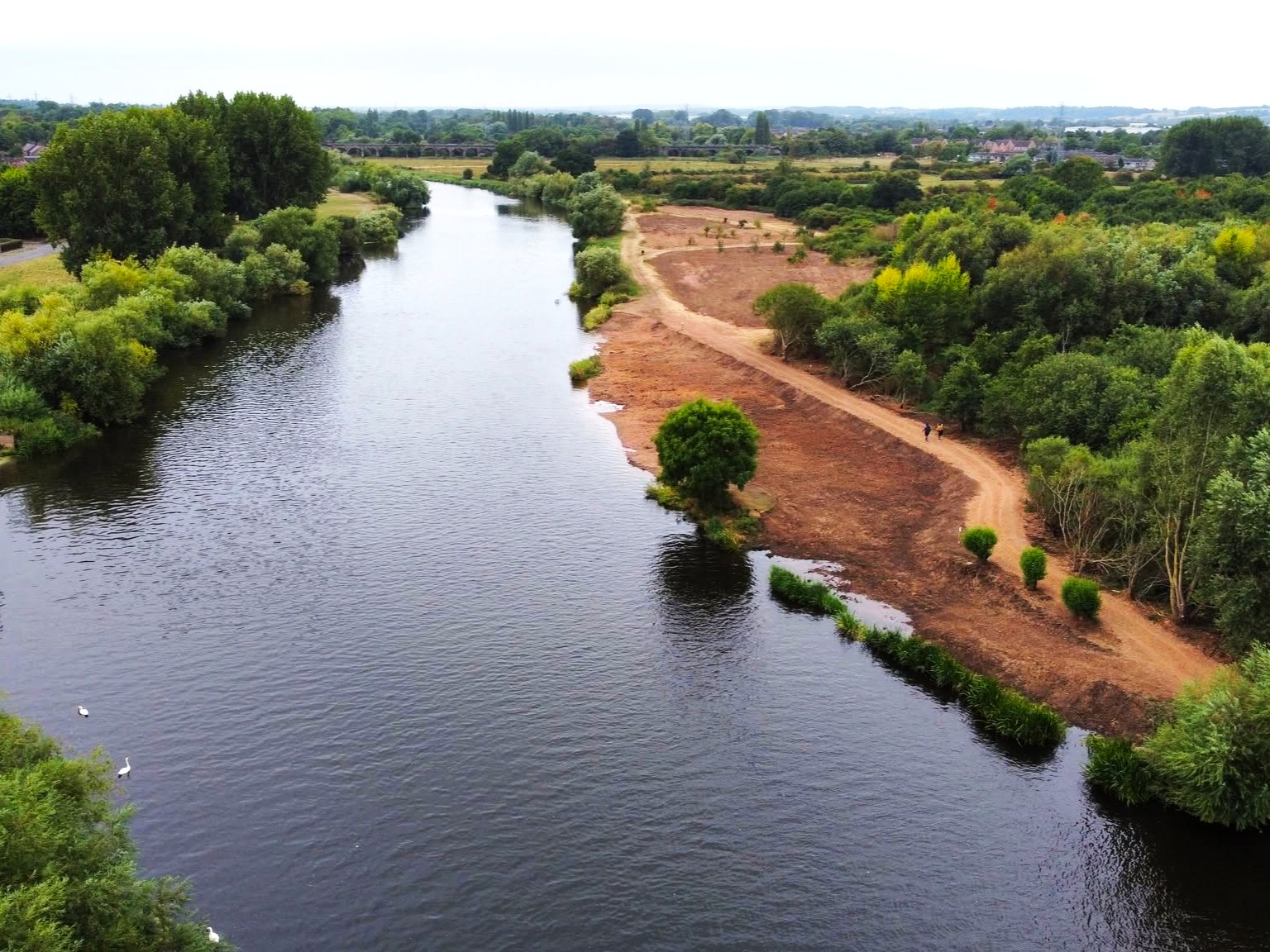
The river itself is another important part of the story.
Sections of the River Trent have been reprofiled, changing the shape and slope of the riverbanks to create a greater variety of habitats.
This has produced areas of shallower water and exposed gravels — conditions that can be particularly valuable for young fish, aquatic insects and invertebrates.
Historic channels also play an important role.
One example is the Silverway, a historic channel connected to Peel’s Cut. Improvements to the channel have created more suitable conditions for aquatic plants and provided quieter, sheltered habitat away from the faster flow of the main Trent.
These quieter waters can provide refuge for fish, particularly during flood events, as well as breeding habitat.
And there is another fascinating connection: by restoring natural river features, the Washlands can provide better habitat for mammals too. Reprofiled banks can create slower-flowing areas and increase vegetation cover for species such as otters and water voles.
Look Up | There are Birds to Spot Too
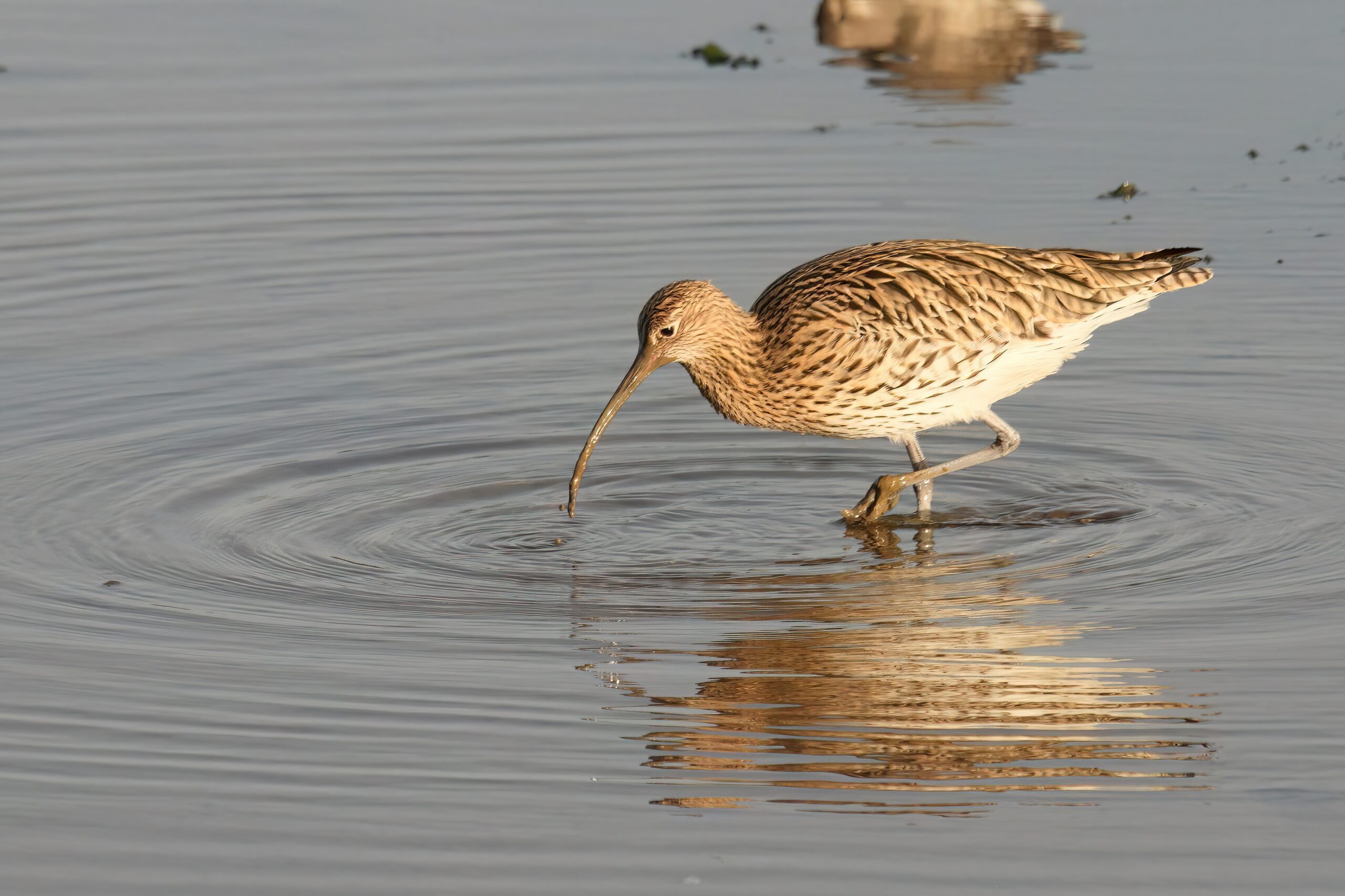
The Washlands is also a great place to practise your birdwatching skills.
Seasonal pools and shallow wet areas provide feeding opportunities for wading birds, while the wider floodplain offers a mixture of habitats for birds throughout the year.
The Washlands Vision specifically highlights snipe, curlew and little egret among the birds visitors can expect to see.
And because this is a dynamic floodplain, the wildlife you encounter can change with the weather and seasons.
A wet winter can transform a field into a feeding ground.
A sunny summer morning might reveal dragonflies and butterflies.
The landscape is constantly changing, and that is exactly what makes it interesting.
Transforming the Trent Valley | Putting Nature Back into the Washlands
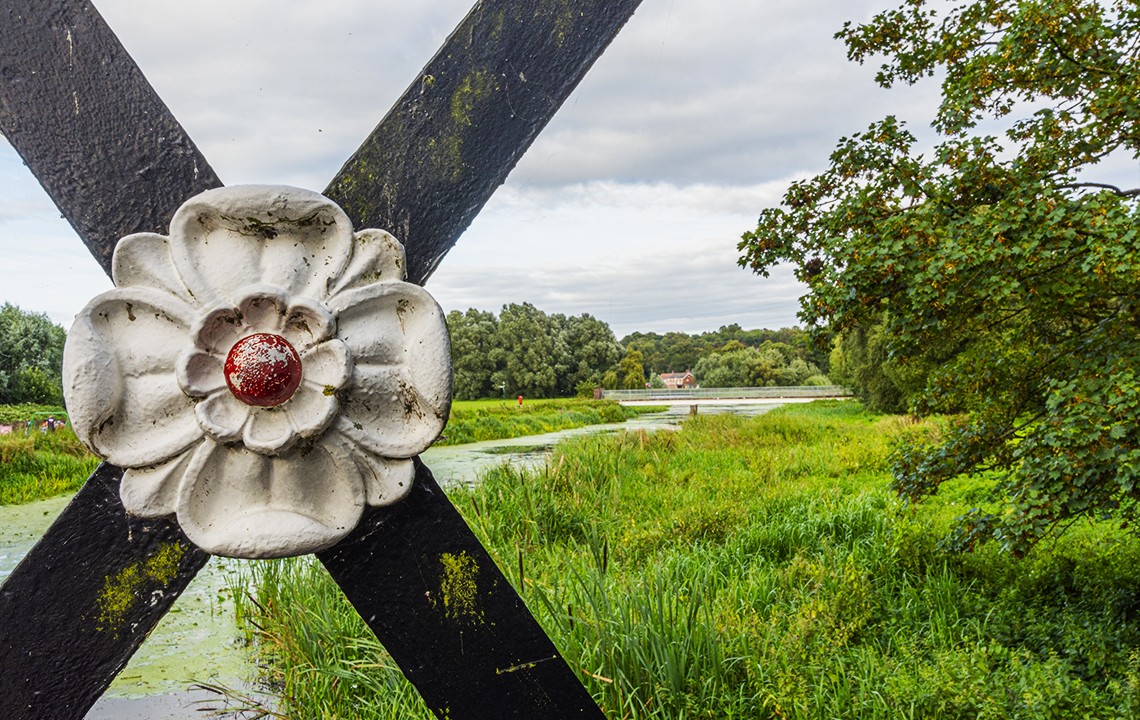
A major part of this story has been the work of Transforming the Trent Valley.
Through its Living Floodplains work, the organisation helped turn the Burton Washlands Vision into practical habitat improvements.
Work in the central Washlands was completed in summer 2022, with a programme of wetland, river, grassland and woodland enhancements.
The improvements included new wildlife ponds and scrapes, riverbank reprofiling, work on historic channels and the creation of more species-rich grassland.
Importantly, these features were designed to work with the natural behaviour of the floodplain.
The new wetlands can store water during wetter periods, while the reshaped riverbanks give the Trent more varied habitats and more room to spread in places.
The project describes the new features as natural floodplain habitats that will be allowed to develop and mature over time.
That means the story isn’t finished.
The habitats will continue to change as plants establish, water levels fluctuate and wildlife discovers the new opportunities.
A Place for Children to Discover Nature
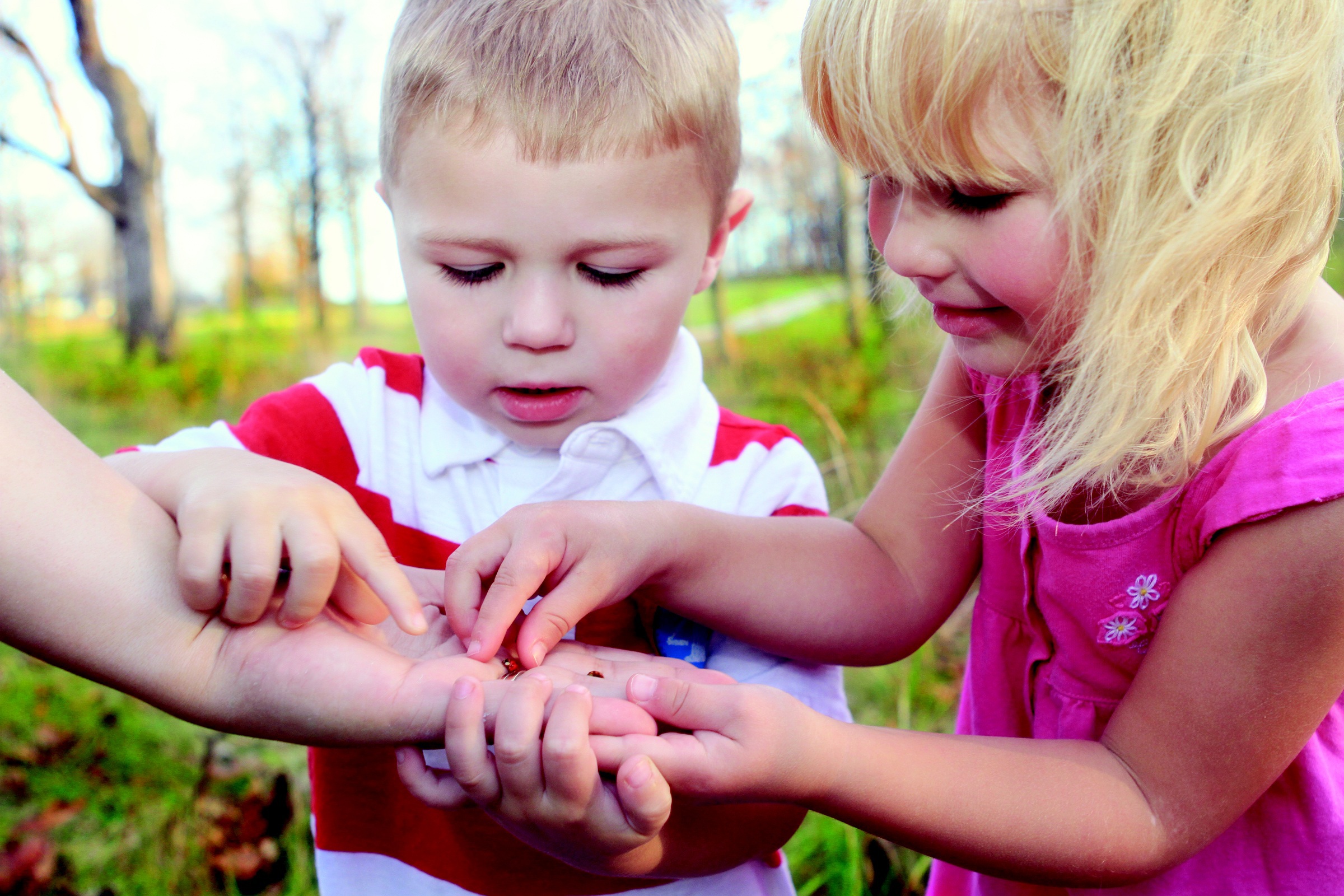
And that makes the Washlands particularly special for children.
For a young explorer, a walk here can become a real adventure.
How many ducks can you spot?
Can you find a dragonfly?
What insects are visiting the wildflowers?
Can you see evidence that the river has recently flooded?
What’s living in that shallow pond?
The Big Washlands Watch Project recognised exactly this opportunity, creating wildlife resources and activities for children, families, schools and youth groups. Children could take part in species hunts and record wildlife sightings, turning a simple walk into a genuine contribution to local nature conservation.
It is a brilliant reminder that you don’t always need a classroom to learn about the natural world.
Sometimes you just need a pair of wellies, a little curiosity and somewhere wild to explore.
Flooding isn’t the Enemy
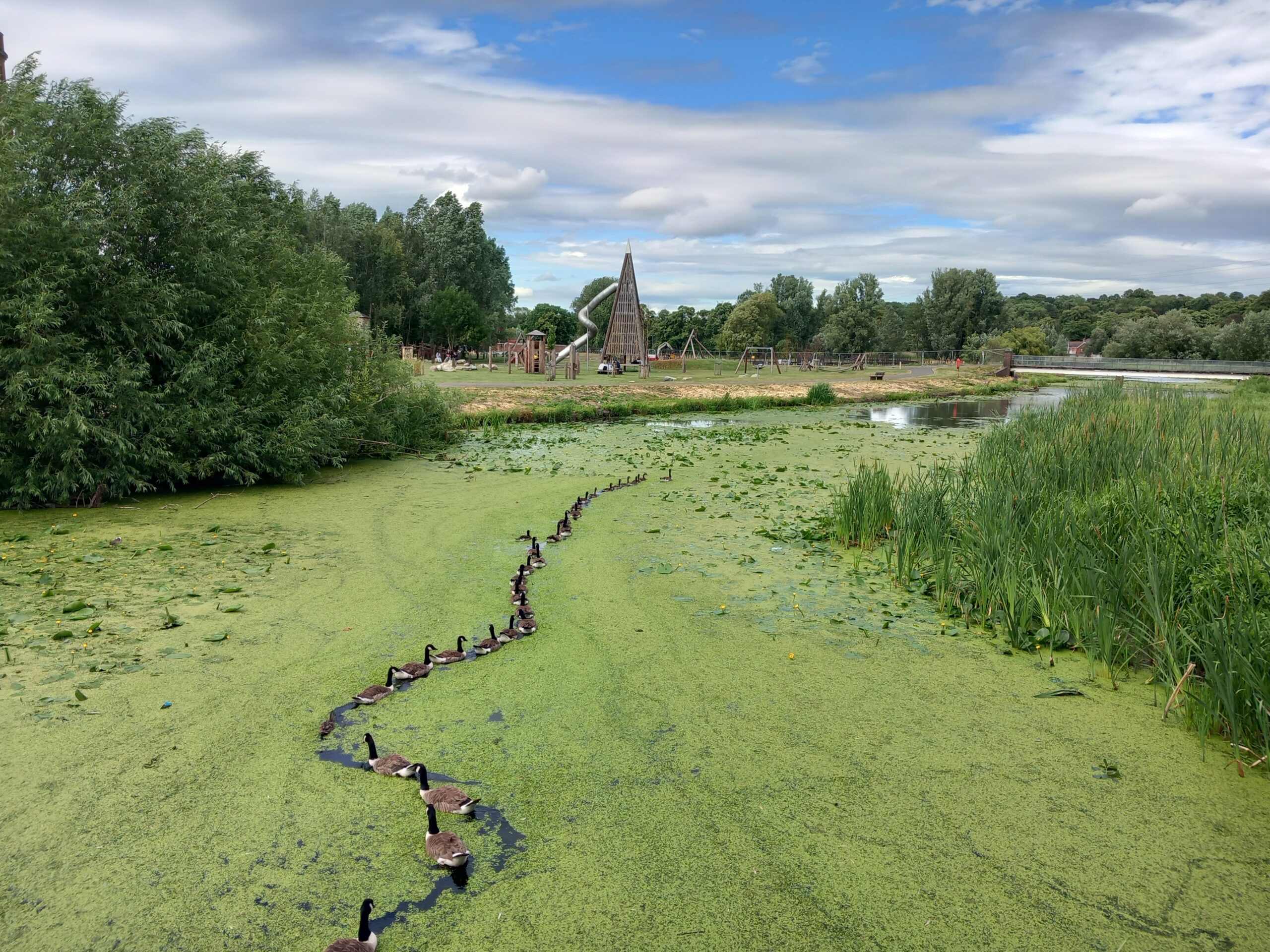
Perhaps the most important lesson of the Washlands is that not all flooding is bad.
Flooding that reaches homes, businesses and roads can obviously cause serious problems, and protecting communities remains essential.
But on a natural floodplain, water has a very different role.
It fills ponds.
It refreshes habitats.
It moves sediment.
It creates temporary feeding areas.
It connects the river with its floodplain.
And it helps maintain the dynamic conditions on which many wetland species depend.
The Burton Washlands improvements have been designed around this principle: rather than trying to eliminate the natural processes that shape the floodplain, they create habitats that can benefit from them.
The aim isn’t simply to stop the water. It’s to make space for it, and make that space work harder for nature.
A Wild Landscape in the Heart of Burton
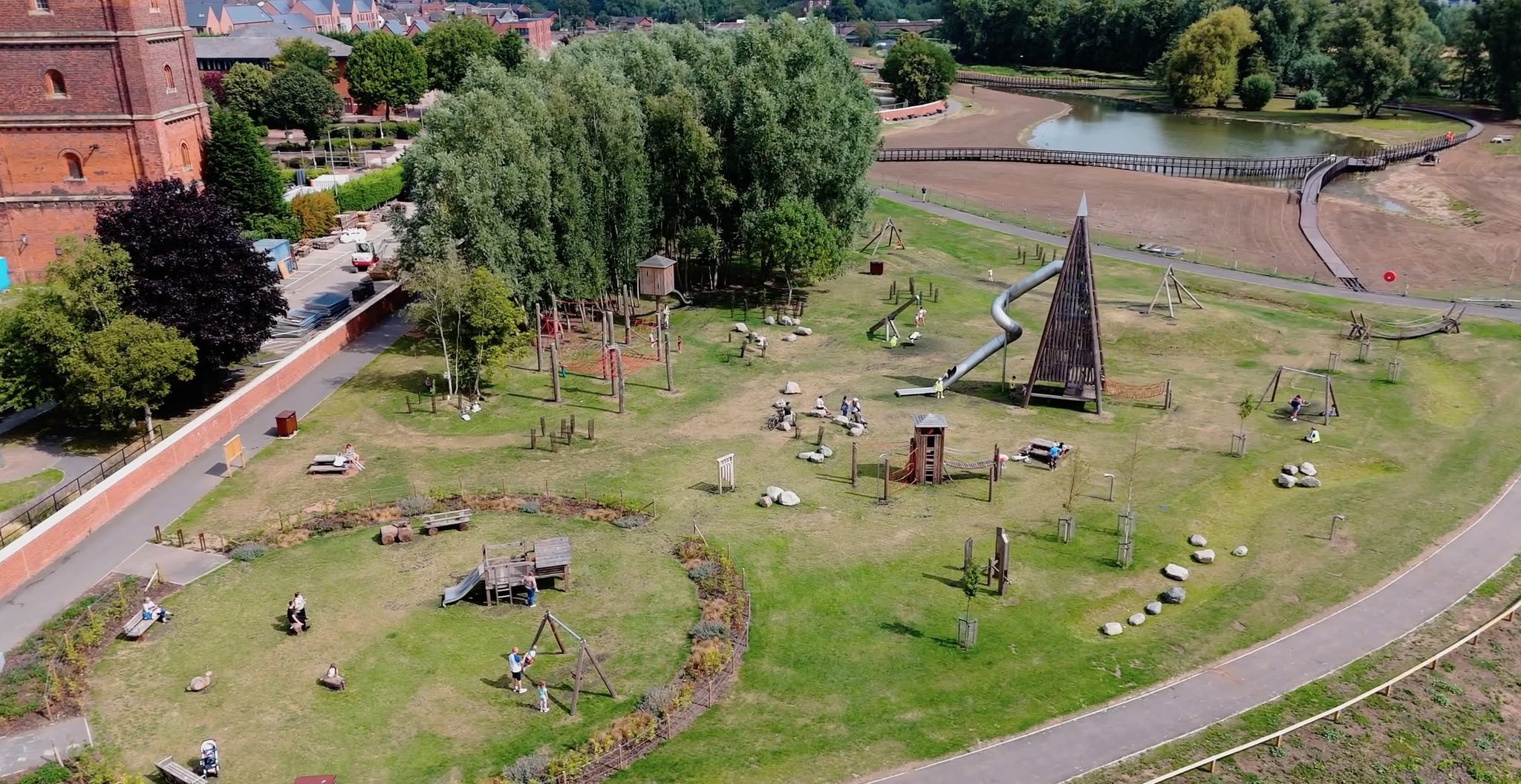
Perhaps the greatest thing about the Washlands is its accessibility.
This isn’t a remote nature reserve miles from the nearest town.
It is right here, in the heart of Burton upon Trent.
You can walk through the meadows, follow the paths, watch the river and see wildlife changing with the seasons.
Bring binoculars.
Bring a camera.
Or simply bring the children and see what they can discover.
The Washlands is a place where flood management, wildlife and recreation can exist side by side, a living demonstration of how working with nature can create a better environment for everyone.
Discover the Washlands
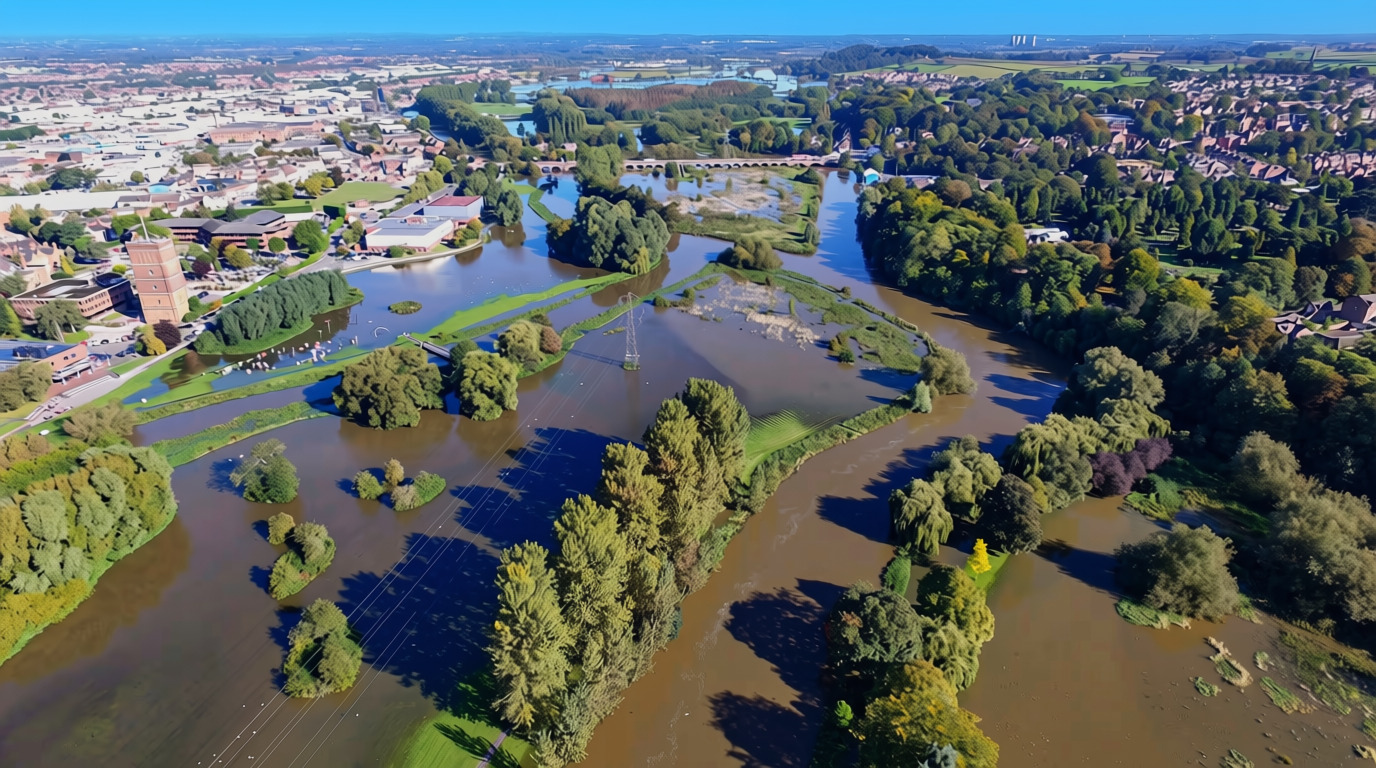
The next time you see water spreading across the Washlands after heavy rain, look beyond the flood.
Think about the dragonflies that will patrol the new ponds.
The frogs and newts that may use them for breeding.
The fish sheltering in quieter channels.
The bees and butterflies visiting the wildflowers.
The wading birds searching the wet ground for food.
And all the children who might stop, point and ask: “What’s that?”
Because that question is where discovery begins.
From floodwater to wildlife, from wildflowers to dragonflies, Burton Washlands is proving that when we make space for nature, nature gives something back.
So grab your walking shoes, bring the family, and explore one of Burton’s most fascinating natural spaces.
The next Washlands adventure could be waiting just around the corner.
Photo credit Derby Telegraph
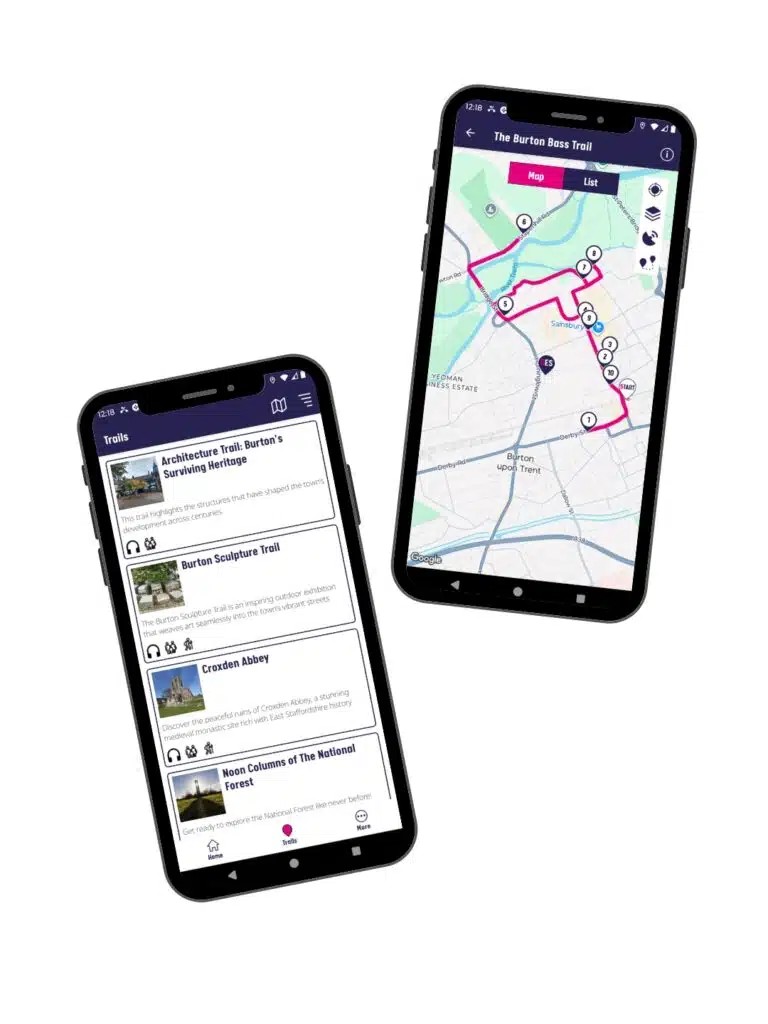
The Washlands Features in Several of our nature Trails – Download Our Free Trail App Today!
Don’t forget to take your guide with you! Download the Discover East Staffordshire Trails App, available on iPhone and Android, to explore walking routes, discover public art, uncover hidden gems and find even more amazing places to visit across East Staffordshire.
Download the Discover East Staffordshire Trails App today, and start your next adventure!